Skydiving · Tennessee
Skydiving in Tennessee
Jump 4 drop zones across Tennessee. Maps, hours, contact info, photos, and verified operator profiles, all in one place.
Smokies, Cumberland Plateau, and the Mississippi River bluffs.
About Tennessee
Best time to go
When to jump in Tennessee
April through November.
- June–September: the heart of the season, most events and loads
- Spring and fall jump well on clear, calm days
- Winter: many DZs limited, so call ahead
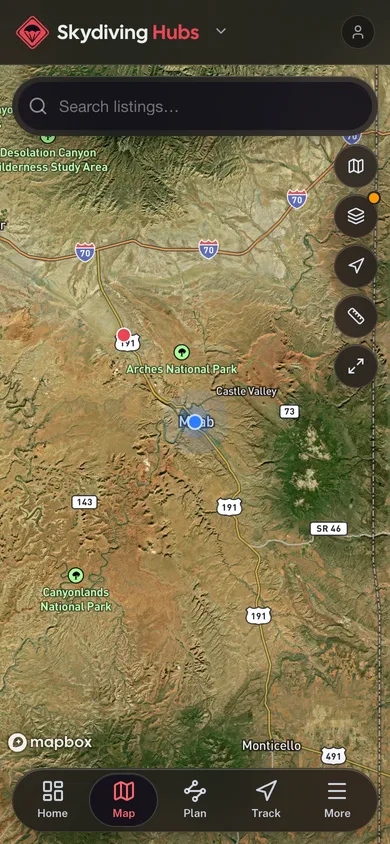
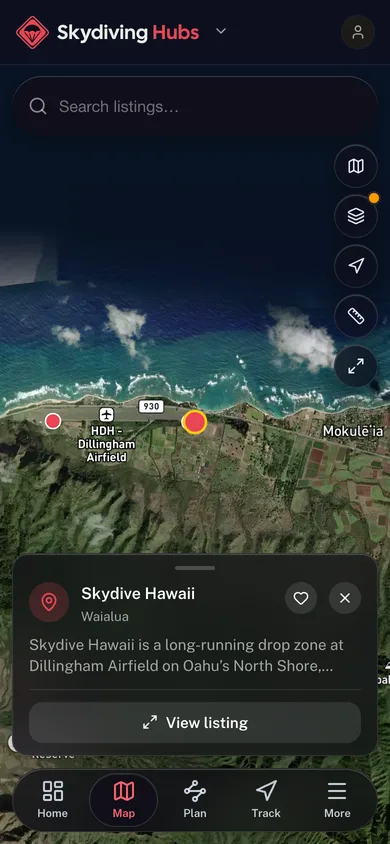
4 on the map
Tap a pin to open its profile.
Quick facts
- Drop zones listed
- 4
- Best season
- April through November
All listings
4 drop zones
across Tennessee




Plan your trip
Plan your trip to Tennessee
Jumping Season and Weather Windows
Most Tennessee drop zones operate from early spring through late fall, with some offering year-round weekend operations, weather permitting. Always check the specific operational schedule and weather policies of your chosen drop zone, as adverse conditions like high winds or thunderstorms will cause delays or cancellations.
Tandem Skydiving
A tandem skydive is the recommended first jump experience, where you are securely harnessed to a certified instructor. This option requires minimal training, typically a short ground briefing, and allows you to experience freefall and a parachute ride with an expert guiding you throughout.
Accelerated Freefall (AFF) Progression
For those aspiring to become licensed skydivers, Accelerated Freefall (AFF) programs are available. This involves comprehensive ground school followed by a series of jumps with instructors, gradually teaching you the skills needed for solo freefall and canopy control. The full progression leads to a USPA A-license.
Licensed Skydiver Options
Experienced skydivers holding a valid United States Parachute Association (USPA) license can engage in fun jumping at Tennessee drop zones. Licensed jumpers should always verify the specific requirements of each drop zone, including gear checks, ratings, and local rules, before planning their visit.
Age and Weight Requirements
The minimum age for skydiving in Tennessee is 18 years old for all participants, including tandem and AFF students. Most drop zones also have weight restrictions, commonly between 220-250 pounds, with potential surcharges or specific requirements for individuals at the higher end of the weight spectrum. Always confirm with the drop zone.
What to Expect on Your First Jump
Your first tandem skydive typically involves registration, a safety briefing, gearing up with your instructor, a scenic plane ride to altitude, the freefall portion, a parachute ride, and a landing. The entire process, from arrival to departure, can take several hours, so plan accordingly and arrive well-rested and hydrated.
Confirm current requirements with the state agency before your trip. Rules and fees change every season.
Minimum Age Requirement
All individuals participating in skydiving activities in Tennessee, whether as tandem students or Accelerated Freefall (AFF) students, must be at least 18 years of age. This 18-year minimum comes from USPA's Basic Safety Requirements and the tandem-equipment manufacturers, not a Tennessee state law, and it cannot be overridden by parental consent or other waivers.
Tennessee Secretary of State (General Liability Law)Compliance with Federal Aviation Regulations (FAA)
Skydiving operations within Tennessee, including aircraft maintenance, pilot qualifications, and flight procedures, are governed by the Federal Aviation Administration (FAA). All drop zones are required to operate in strict compliance with relevant FAA regulations, particularly Part 105 (Parachute Operations) and Part 91 (General Operating and Flight Rules), ensuring safety standards are met.
Drop Zone Specific Operational Policies
Beyond state and federal mandates, all visitors and participants must adhere to the specific operational policies and safety procedures established by each individual drop zone. These policies often cover aspects like equipment requirements, manifest procedures, and local jump rules, which are critical for maintaining a safe and efficient jumping environment.
- 01
Research and Select a Drop Zone
Find the USPA-affiliated Tennessee drop zones that match what you're after: tandem, AFF, or fun jumping. Weigh location, services, and reviews to land on the right fit.
- 02
Verify Requirements and Book Your Jump
Check age, weight, and health requirements straight with the DZ. For a tandem, book ahead, especially in peak season. Licensed jumpers should make sure USPA membership and gear are current and meet the local DZ's standards.
- 03
Prepare for Your Skydiving Day
Dress in comfortable athletic clothes suited to the weather, nothing loose or binding. Show up rested and hydrated, on time for check-in, ready for paperwork and the safety briefing.
- 04
Engage in Safety Briefings and Training
Whatever the jump, give the briefings your full attention. Knowing the procedures, the emergency drills, and your equipment is what keeps the day safe and lets you enjoy it.
- 05
Enjoy Your Skydive and Plan Next Steps
Take in the jump. Afterward, figure out what's next: another tandem, the start of an AFF progression, or for licensed jumpers, other Tennessee DZs and disciplines to explore.
01What is the minimum age to skydive in Tennessee?
02Are there weight restrictions for skydiving?
03What should I wear for my skydive?
04How long does the entire skydiving experience take?
05Can I get video or photos of my skydive?
06What is the difference between a tandem jump and AFF?
Free tools
Your free outdoor toolkit

Everything Map
Listings, trails, spots, clubs and public land on a single full-screen map. Switch layers on and off, then tap any point for the details.
Open Everything MapRoute Planner
Drop stops on a map and watch distance and drive time add up. Export a GPX or share the link.
Open Route PlannerSkydiving Clubs
Browse local clubs with meeting info and how to join, or start your own for free.
Open Skydiving ClubsPhoto ID
Point your camera at whatever you found and get a structured identification. No signup.
Open Photo IDGear Checklists
Printable, save-as-you-go packing lists. Tick items off and pull them up on your phone.
Open Gear ChecklistsMaintenance Schedules
Pick your machine and get its full service schedule. Add your hours to turn intervals into dates.
Open Maintenance Schedules
Keep exploring