Skydiving · Nevada
Skydiving in Nevada
Jump 7 drop zones across Nevada. Maps, hours, contact info, photos, and verified operator profiles, all in one place.
Great Basin desert, Sierra eastside, and the loneliest road in America.
About Nevada
Best time to go
When to jump in Nevada
October through May for desert; June through October for high country.
- April–October: the dependable jumping window
- Jump mornings, afternoon thermals pick up over hot terrain
- Thinner air at altitude affects canopy flight, so brief accordingly
7 on the map
Tap a pin to open its profile.
Quick facts
- Drop zones listed
- 7
- Best season
- October through May
All listings
7 drop zones
across Nevada


Plan your trip
Plan your trip to Nevada
Jumping Season and Weather Windows
While skydiving is possible year-round in Nevada, the most comfortable and consistent conditions occur in spring and fall. Summer jumps are typically scheduled in the cooler parts of the day, and winter operations depend heavily on specific drop zone locations and prevailing weather.
Tandem vs. AFF vs. Licensed Jumper Options
Most Nevada drop zones offer tandem skydiving for first-timers, Accelerated Freefall (AFF) programs for those seeking a license, and facilities for licensed fun-jumpers. It is recommended to contact your chosen drop zone to confirm specific offerings and availability.
Age and Weight Requirements
Participants for tandem and AFF jumps must be at least 18 years old. Weight limits vary by drop zone and equipment, generally ranging from 220 to 250 pounds. Always verify specific restrictions with the drop zone prior to booking.
What a First Jump Involves
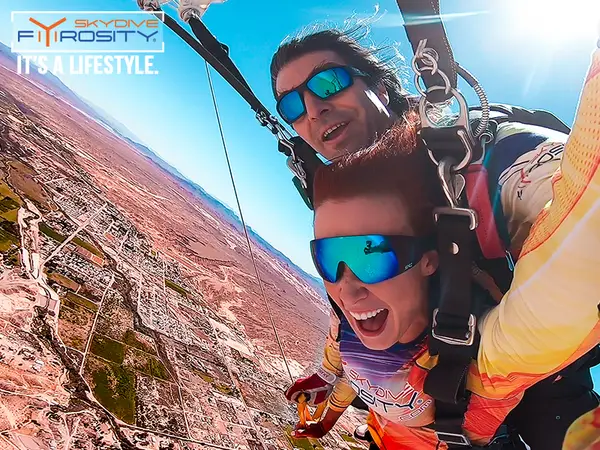
A first jump, typically a tandem skydive, begins with ground instruction, followed by gearing up and boarding the aircraft. You will exit the plane attached to an instructor, experience freefall, and then enjoy a parachute ride before landing. The entire experience usually takes a few hours from arrival to departure.
AFF Licensing Progression
The Accelerated Freefall (AFF) program involves a series of coached jumps designed to teach you how to skydive solo. It typically consists of 7-10 levels, starting with two instructors and progressing to one, culminating in solo jumps. Upon completion, you can apply for your USPA A-license after additional coached and solo jumps.
Confirm current requirements with the state agency before your trip. Rules and fees change every season.
Age Requirement for Skydiving
Individuals must be at least 18 years old to participate in a tandem skydive or begin an Accelerated Freefall (AFF) progression. This is a standard requirement enforced by all USPA-affiliated drop zones in Nevada, aligning with federal aviation regulations.
Weight and Health Restrictions
All participants must meet specific weight limits, which typically range between 220-250 lbs, though this can vary by drop zone and specific equipment. Additionally, participants must be in good health and disclose any medical conditions. A doctor's note may be required for certain pre-existing conditions.
USPA Membership for Licensed Jumpers
Licensed skydivers operating at drop zones in Nevada are generally expected to hold current membership with the United States Parachute Association (USPA). Adherence to the USPA's Basic Safety Requirements (BSRs) is mandatory for all jumps, ensuring a consistent standard of safety across the sport.
Equipment Standards
All skydiving equipment used in Nevada must meet federal aviation administration (FAA) standards for maintenance and inspection. Licensed jumpers are responsible for ensuring their personal gear is properly maintained and packed by a certified rigger, as per FAA regulations.
- 01
1. Research Drop Zones
Start with the drop zones in the Nevada region you're eyeing. Weigh reputation, safety record, program (tandem, AFF), and amenities, and read what past jumpers say before you pick.
- 02
2. Book Your Jump
Once you've settled on a DZ, call to book. Have your details ready, flag any health concerns, and confirm the age and weight rules. Weekends and holidays fill up early.
- 03
3. Prepare for Your Skydive
Go through the drop zone's pre-jump instructions. That usually means comfortable athletic clothes, closed-toe shoes, no alcohol or drugs beforehand, and a decent night's sleep.
- 04
4. Arrive at the Drop Zone
Show up on time. You'll knock out the paperwork, get your ground briefing, and be fitted with a harness, the staff walks you through each step so you're squared away before the plane.
- 05
5. Enjoy the Experience
Take in the climb, the freefall, and the quiet ride under canopy, and follow your instructor's lead the whole way. Most DZs sell video and photo packages if you want to keep it.
01What should I wear for my skydive in Nevada?
02How long does the entire skydiving experience take?
03Can I jump solo on my first skydive?
04What happens if the weather is bad on my scheduled jump day?
05Is skydiving safe?
06Do I need a reservation to skydive?
Free tools
Your free outdoor toolkit

Everything Map
Listings, trails, spots, clubs and public land on a single full-screen map. Switch layers on and off, then tap any point for the details.
Open Everything MapRoute Planner
Drop stops on a map and watch distance and drive time add up. Export a GPX or share the link.
Open Route PlannerSkydiving Clubs
Browse local clubs with meeting info and how to join, or start your own for free.
Open Skydiving ClubsPhoto ID
Point your camera at whatever you found and get a structured identification. No signup.
Open Photo IDGear Checklists
Printable, save-as-you-go packing lists. Tick items off and pull them up on your phone.
Open Gear ChecklistsMaintenance Schedules
Pick your machine and get its full service schedule. Add your hours to turn intervals into dates.
Open Maintenance Schedules
Keep exploring