Skydiving · California
Skydiving in California
Jump 13 drop zones across California. Maps, hours, contact info, photos, and verified operator profiles, all in one place.
Coastline, Sierras, deserts, and redwoods. Every outdoor environment in one state.
About California
Best time to go
When to jump in California
Year-round. Conditions vary dramatically by region.
- Year-round operations with the most consistent winter weather
- Summer: jump early to beat heat and afternoon storms
- A great winter destination for jumpers from colder regions
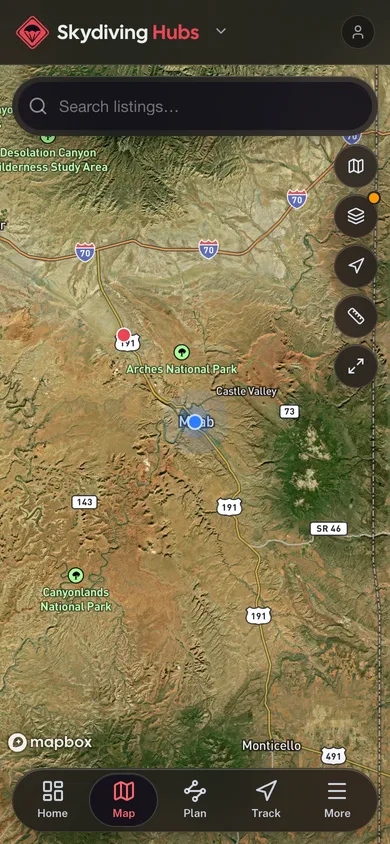
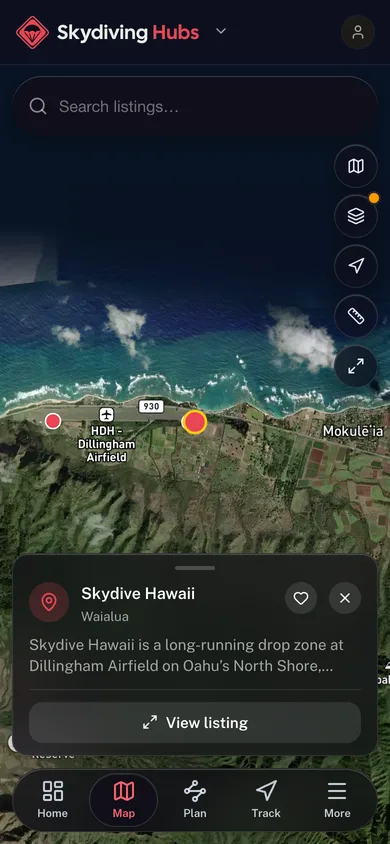
13 on the map
Tap a pin to open its profile.
Quick facts
- Drop zones listed
- 13
- Best season
- Year-round
All listings
13 drop zones
across California
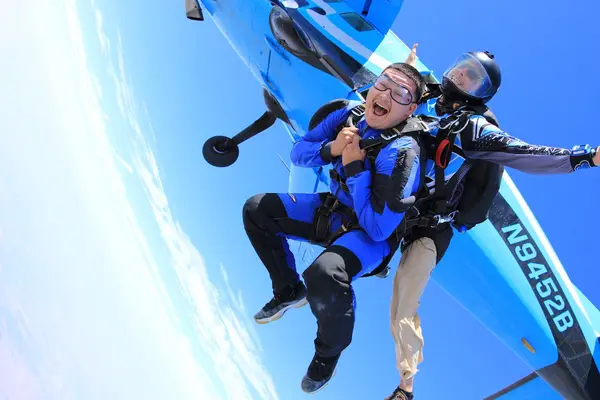

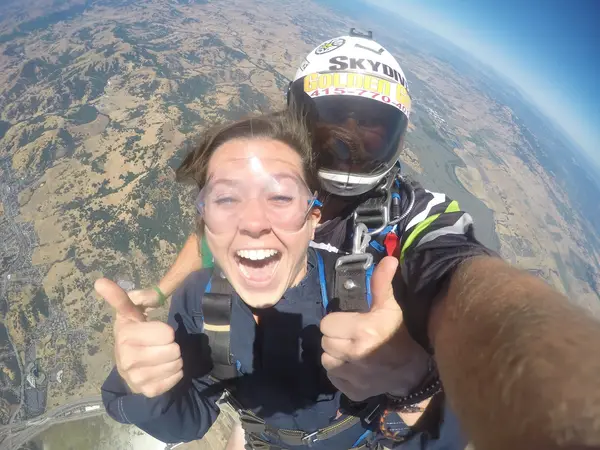
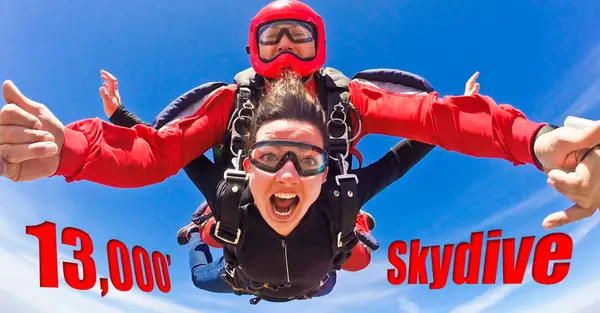
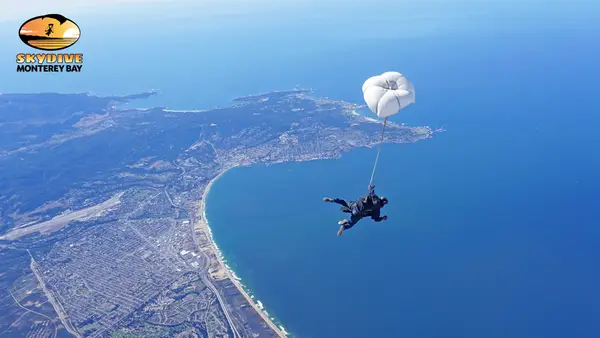
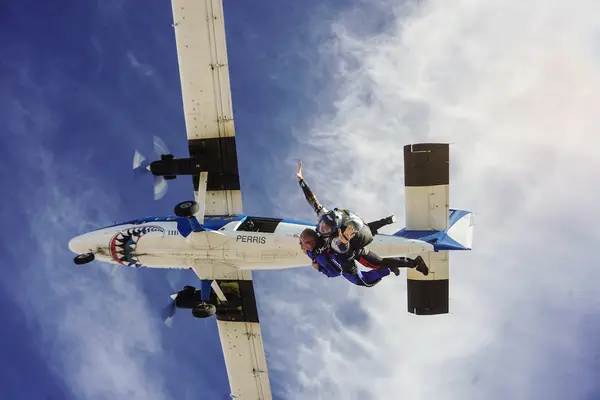
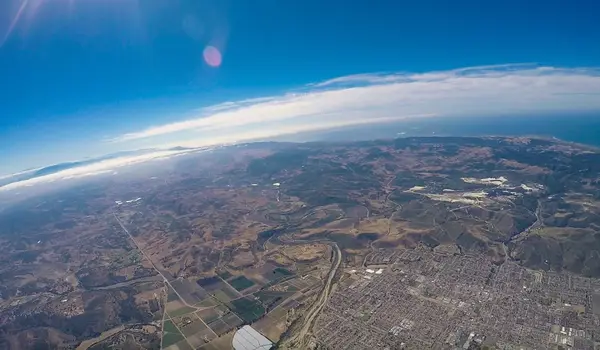
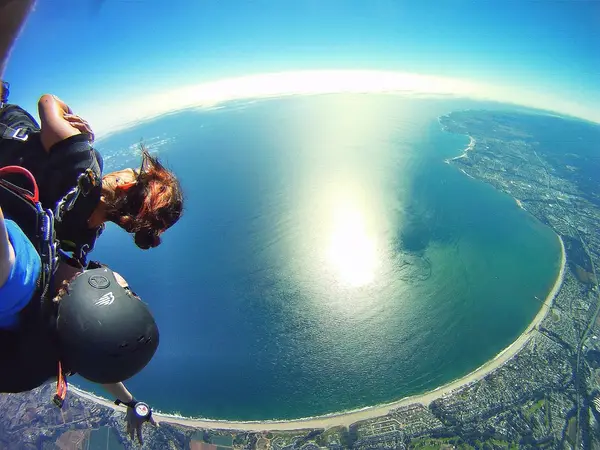
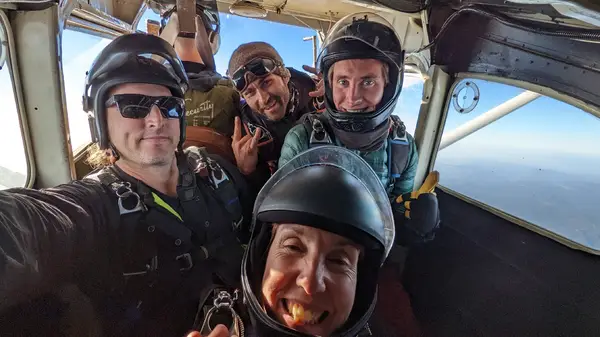
Plan your trip
Plan your trip to California
Jumping Season and Weather Windows
California's diverse climate allows for year-round skydiving at many locations, especially in the drier, warmer southern and inland regions. However, all jumps are weather-dependent. Drop zones prioritize safety, so operations may be paused or canceled due to high winds, rain, or low cloud cover. It is advisable to check weather forecasts and confirm with your chosen drop zone before traveling.
Tandem, AFF, and Licensed Jumper Options
First-time skydivers typically begin with a tandem jump, where they are securely harnessed to an experienced instructor. For those interested in earning a skydiving license, the Accelerated Freefall (AFF) program provides structured training. Licensed skydivers must present a valid USPA license and logbook for fun-jumping privileges at most drop zones.
Age and Weight Requirements
All skydivers, including tandem students, must be at least 18 years old with a valid photo ID. Weight restrictions are common and vary by drop zone, typically ranging from 220 to 250 pounds. Individuals exceeding these limits or with certain medical conditions should consult the drop zone directly for specific policies and potential waivers.
What a First Jump Involves
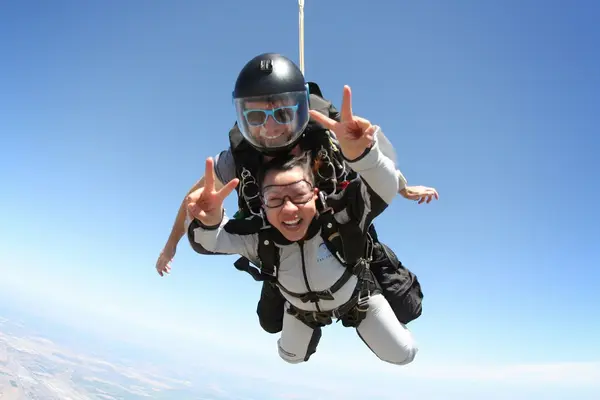
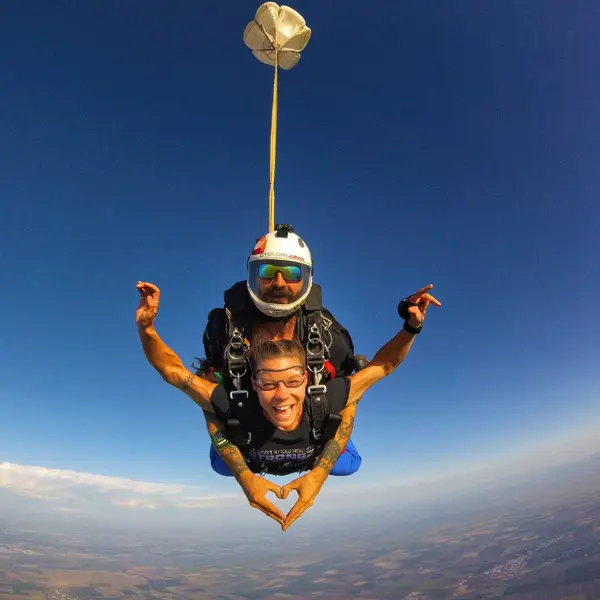
A first tandem jump experience usually begins with a brief ground instruction session covering safety procedures, body position for freefall, and canopy flight basics. You'll then board the aircraft with your instructor, ascend to altitude, and exit for an exhilarating freefall, followed by a serene parachute ride to the landing area. The entire process, from arrival to departure, can take several hours.
AFF Licensing Progression
The AFF program is designed to teach students to skydive solo. It involves comprehensive ground school followed by a series of coached jumps, typically 7-10 levels, each building on the previous one. Upon successful completion of the AFF program and subsequent consolidation jumps, students can apply for their USPA A-license, allowing them to jump without direct supervision.
Confirm current requirements with the state agency before your trip. Rules and fees change every season.
Age Requirement
All individuals participating in skydiving activities in California, whether for a tandem jump, AFF training, or as a licensed fun-jumper, must be a minimum of 18 years of age. This is a standard requirement across all United States Parachute Association (USPA) affiliated drop zones in the state.
Weight and Health Restrictions
Drop zones in California typically enforce weight limits for tandem and AFF students, generally ranging from 220 to 250 pounds, depending on the specific facility and instructor equipment. Participants must also be in good general health; individuals with pre-existing medical conditions should consult their doctor and the drop zone prior to booking.
USPA Membership for Licensed Jumpers
Licensed skydivers planning to jump at California drop zones are required to hold a current United States Parachute Association (USPA) membership and an appropriate USPA license (A, B, C, or D). This ensures adherence to established safety standards and provides insurance coverage recognized by most drop zone operators.
- 01
1. Research Drop Zones
Start by matching California drop zones to your location and experience level. Weigh things like how they fit your travel plans, what aircraft they fly, and the views on offer.
- 02
2. Choose Your Jump Type
Decide on a tandem jump for a first experience, an AFF program toward a license, or fun-jumping if you're already licensed. Each carries different requirements and costs.
- 03
3. Check Requirements and Book
Confirm the age, weight, and health rules with your drop zone, then book ahead, weekend slots and peak seasons fill fast and availability gets tight.
- 04
4. Prepare for Your Jump Day
Wear comfortable, weather-appropriate clothes and athletic shoes. Show up rested and hydrated, skip alcohol and non-prescription drugs beforehand, and bring a valid photo ID.
- 05
5. Listen to Your Instructors
On jump day, lock in on every instruction from the ground crew and your instructor. They're trained professionals whose whole job is your safety and a great jump.
01What is the minimum age to skydive in California?
02Are there weight restrictions for skydiving?
03Do I need a license to skydive?
04What should I wear for my skydive?
05Can I get photos or video of my jump?
06How long does the skydiving experience take?
Free tools
Your free outdoor toolkit

Everything Map
Listings, trails, spots, clubs and public land on a single full-screen map. Switch layers on and off, then tap any point for the details.
Open Everything MapRoute Planner
Drop stops on a map and watch distance and drive time add up. Export a GPX or share the link.
Open Route PlannerSkydiving Clubs
Browse local clubs with meeting info and how to join, or start your own for free.
Open Skydiving ClubsPhoto ID
Point your camera at whatever you found and get a structured identification. No signup.
Open Photo IDGear Checklists
Printable, save-as-you-go packing lists. Tick items off and pull them up on your phone.
Open Gear ChecklistsMaintenance Schedules
Pick your machine and get its full service schedule. Add your hours to turn intervals into dates.
Open Maintenance Schedules