Skydiving · Washington
Skydiving in Washington
Jump 2 drop zones across Washington. Maps, hours, contact info, photos, and verified operator profiles, all in one place.
North Cascades, the Olympics, and 3,000 miles of saltwater coastline.
About Washington
Best time to go
When to jump in Washington
June through October.
- June–September: the heart of the season, most events and loads
- Spring and fall jump well on clear, calm days
- Winter: many DZs limited, so call ahead
2 on the map
Tap a pin to open its profile.
Quick facts
- Drop zones listed
- 2
- Best season
- June through October
All listings
2 drop zones
across Washington

Plan your trip
Plan your trip to Washington
Jumping Season and Weather Windows
The primary skydiving season in Washington runs from late spring through early fall, typically May to October, when weather conditions are most favorable. Some drop zones operate year-round on a limited basis, contingent on clear skies and minimal wind. Always check the forecast and drop zone operating schedule before planning your jump.
Tandem, AFF, and Licensed Jumper Options
First-time jumpers typically opt for a tandem skydive, securely attached to an instructor. For those seeking to become licensed, the Accelerated Freefall (AFF) program provides comprehensive training. Licensed skydivers can participate in 'fun jumps,' provided they meet the drop zone's requirements and hold a valid USPA license.
Age and Weight Requirements
All skydivers, regardless of jump type, must be at least 18 years old. Weight restrictions vary by drop zone and equipment, commonly ranging from 220 to 250 pounds, often with additional fees for heavier individuals. It is essential to confirm specific limits with your chosen drop zone prior to booking.
What a First Jump Involves
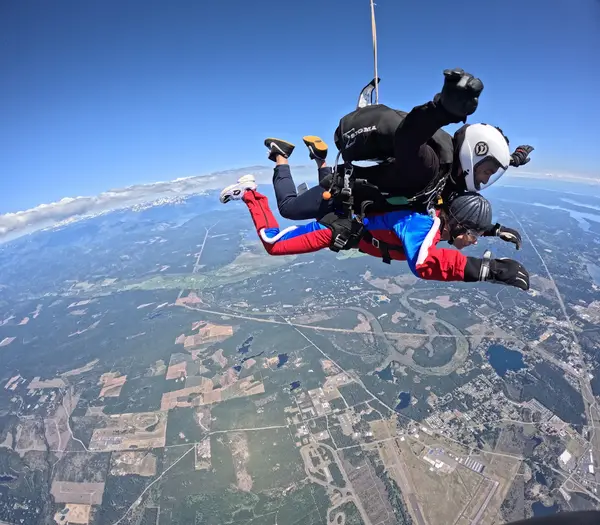
A first tandem skydive typically begins with a brief training session covering safety, aircraft procedures, and body position. After being harnessed to an instructor, the ascent to altitude occurs, followed by freefall and a canopy ride. The entire experience, from arrival to landing, usually takes several hours.
AFF Licensing Progression
The Accelerated Freefall (AFF) program involves a series of coached jumps designed to teach students how to skydive independently. Upon successful completion of the AFF levels, along with accumulating required jumps and demonstrating specific skills, students can earn their USPA A-license, allowing them to jump without instructor supervision.
Confirm current requirements with the state agency before your trip. Rules and fees change every season.
USPA Membership for Students and Licensed Jumpers
Individuals pursuing an Accelerated Freefall (AFF) progression or engaging in licensed fun jumping are typically required to obtain membership with the United States Parachute Association (USPA). This membership ensures adherence to established safety standards and provides access to USPA-rated instructors and programs.
Minimum Age Requirement
For all forms of skydiving in Washington, including tandem jumps, Accelerated Freefall (AFF) training, and licensed fun jumps, participants must be at least 18 years of age. Parental consent does not override this age restriction, an industry-standard USPA Basic Safety Requirement (FAA Part 105 itself sets no minimum age).
Weight and Health Restrictions
Drop zones enforce specific weight limits for safety reasons, which vary depending on equipment and aircraft capabilities, typically ranging from 220 to 250 pounds. All jumpers are also required to self-certify that they are in good physical health and free from conditions that could impair their safety during a skydive.
Adherence to FAA Basic Safety Requirements
All skydiving operations and participants in Washington must comply with the FAA's sport-parachuting rules in FAR Part 105 and, at USPA-affiliated drop zones, the USPA Basic Safety Requirements (BSRs). These regulations govern equipment, operations, and conduct to ensure the safety of all aerial activities.
- 01
Research Washington Drop Zones
Find drop zones that fit your location and the experience you're after. Weigh the drive, the views on offer, and which jump types (tandem, AFF), each one runs.
- 02
Choose Your Skydiving Experience
Decide between a one-time tandem for the thrill or committing to an Accelerated Freefall program toward a license. That call shapes everything that follows.
- 03
Book Your Reservation
Contact your chosen drop zone to lock in a slot. Have your details ready, confirm age and weight, and read their cancellation and rescheduling policies before you commit.
- 04
Prepare for Your Jump
Go over any pre-jump instructions the drop zone sends. Wear comfortable athletic clothing and closed-toe shoes, show up rested and hydrated, and skip alcohol and drugs beforehand.
- 05
Arrive Early for Training and Briefing
Get there at least an hour before your jump time. That buffer covers check-in, paperwork, ground school, and harness fitting before you board the plane.
01What is the best time of year to skydive in Washington?
02What are the age and weight limits for skydiving in Washington?
03Do I need any prior experience to skydive in Washington?
04What is the Accelerated Freefall (AFF) program and how do I get licensed?
05Are there different types of skydiving available in Washington?
06What should I wear for my skydive?
Free tools
Your free outdoor toolkit

Everything Map
Listings, trails, spots, clubs and public land on a single full-screen map. Switch layers on and off, then tap any point for the details.
Open Everything MapRoute Planner
Drop stops on a map and watch distance and drive time add up. Export a GPX or share the link.
Open Route PlannerSkydiving Clubs
Browse local clubs with meeting info and how to join, or start your own for free.
Open Skydiving ClubsPhoto ID
Point your camera at whatever you found and get a structured identification. No signup.
Open Photo IDGear Checklists
Printable, save-as-you-go packing lists. Tick items off and pull them up on your phone.
Open Gear ChecklistsMaintenance Schedules
Pick your machine and get its full service schedule. Add your hours to turn intervals into dates.
Open Maintenance Schedules