Skydiving · South Carolina
Skydiving in South Carolina
Jump 4 drop zones across South Carolina. Maps, hours, contact info, photos, and verified operator profiles, all in one place.
Lowcountry marsh, the Blue Ridge escarpment, and Atlantic barrier islands.
About South Carolina
Best time to go
When to jump in South Carolina
October through May.
- Year-round operations with the most consistent winter weather
- Summer: jump early to beat heat and afternoon storms
- A great winter destination for jumpers from colder regions
4 on the map
Tap a pin to open its profile.
Quick facts
- Drop zones listed
- 4
- Best season
- October through May
All listings
4 drop zones
across South Carolina
Plan your trip
Plan your trip to South Carolina
Jumping Season and Weather
Skydiving operations in South Carolina generally run year-round, weather permitting. Peak season is typically spring and fall, offering the most comfortable conditions. Summer jumps are common but often scheduled for mornings or late afternoons to avoid heat and afternoon pop-up storms. Always check with the specific drop zone for their operational schedule and real-time weather updates.
Tandem vs. AFF vs. Licensed
Tandem skydiving is for first-timers, involving a student securely harnessed to an instructor. Accelerated Freefall (AFF) is a training program for those pursuing a skydiving license. Licensed skydivers must present a valid USPA license and comply with drop zone specific requirements, including gear checks and manifest procedures.
Age and Weight Requirements
The minimum age for skydiving in South Carolina, consistent with USPA regulations, is 18 years old. Most drop zones have a weight limit, typically around 220-240 pounds, with some variation and potential surcharges for heavier individuals. Physical fitness and medical conditions are also considerations; consult the drop zone directly if concerns exist.
First Jump Experience
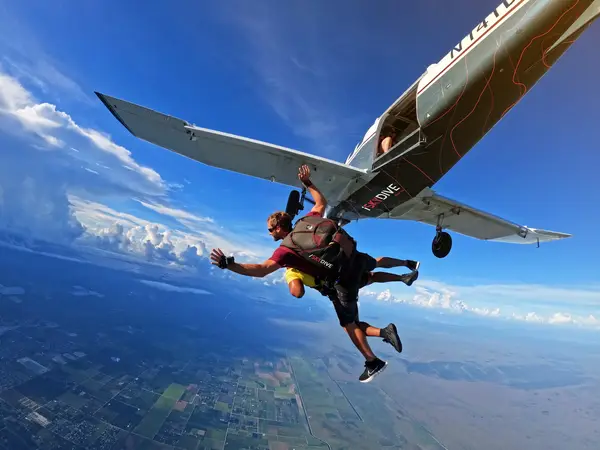
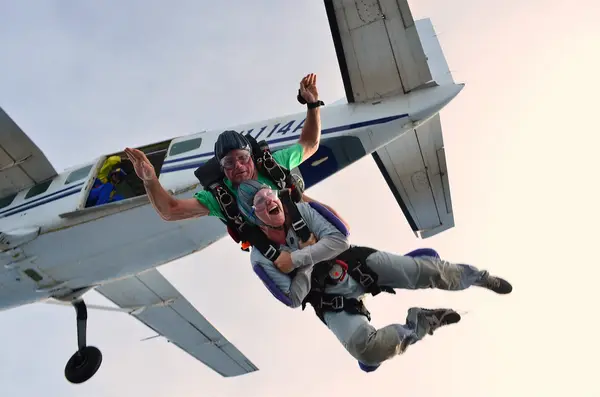
A first jump, usually a tandem skydive, involves a ground briefing, gearing up with an instructor, a scenic plane ride, freefall from 10,000-14,000 feet, and a guided canopy descent. The entire experience from arrival to departure can take several hours, so plan accordingly.
AFF Licensing Progression
The Accelerated Freefall (AFF) program typically consists of 7-10 instructional jumps, each building on the previous one. After completing AFF, students make solo coached jumps and demonstrate specific skills to earn their USPA A-license. This process requires dedication, practice, and adherence to USPA safety standards.
Confirm current requirements with the state agency before your trip. Rules and fees change every season.
Minimum Age for Skydiving
Individuals must be at least 18 years old to skydive in South Carolina, whether for tandem jumps, AFF training, or as licensed jumpers. This is a USPA Basic Safety Requirement enforced by drop zones industry-wide, not a federal or state law.
Medical Fitness
While no specific state-issued medical certificate is required for recreational skydiving (tandem or AFF student), participants should be in good general health and free from conditions that could pose a risk during the jump. Drop zones typically require a signed waiver acknowledging fitness to jump.
USPA License for Solo Jumps
Licensed skydivers must possess a current United States Parachute Association (USPA) license (A, B, C, or D) to jump unsupervised at any USPA-affiliated drop zone in South Carolina. This license signifies demonstrated competency and adherence to safety standards.
Equipment Standards
All skydiving equipment used in South Carolina must meet FAA technical standard orders (TSOs) and be maintained and packed by FAA-certified riggers. Drop zones enforce these standards for both student and licensed jumper gear to ensure safety.
- 01
Research Drop Zones
Find the USPA-affiliated drop zones in South Carolina that match your location and what you're after: tandem, AFF, or fun jumping. Check their sites for services, pricing, and availability.
- 02
Book Your Jump
Call your chosen drop zone to schedule a tandem or ask about their AFF program. Have your personal details ready, including weight, and flag any medical considerations up front.
- 03
Prepare for the Day
Confirm your reservation, reread the drop zone's requirements, and plan to arrive on time. Wear comfortable athletic clothes and closed-toe shoes, and skip alcohol and heavy meals beforehand.
- 04
Attend Ground Training
Give the mandatory ground briefing your full attention. Your instructor walks through safety procedures, freefall body position, and exactly what to expect on the way down.
- 05
Enjoy the Experience
Soak up the plane ride, the freefall, and the quiet under canopy. Listen to your instructor, loosen up, and take in South Carolina from a few thousand feet.
01How many drop zones operate in South Carolina?
02What is the minimum age to skydive in South Carolina?
03Are there weight limits for skydiving?
04What should I wear for my skydive?
05How long does the entire skydiving experience take?
06Can I get photos or video of my skydive?
07Do I need any special medical clearance?
Free tools
Your free outdoor toolkit

Everything Map
Listings, trails, spots, clubs and public land on a single full-screen map. Switch layers on and off, then tap any point for the details.
Open Everything MapRoute Planner
Drop stops on a map and watch distance and drive time add up. Export a GPX or share the link.
Open Route PlannerSkydiving Clubs
Browse local clubs with meeting info and how to join, or start your own for free.
Open Skydiving ClubsPhoto ID
Point your camera at whatever you found and get a structured identification. No signup.
Open Photo IDGear Checklists
Printable, save-as-you-go packing lists. Tick items off and pull them up on your phone.
Open Gear ChecklistsMaintenance Schedules
Pick your equipment and get its full service schedule. Add your usage to turn intervals into dates.
Open Maintenance Schedules
Keep exploring