Skydiving · Pennsylvania
Skydiving in Pennsylvania
Jump 1 drop zone across Pennsylvania. Maps, hours, contact info, photos, and verified operator profiles, all in one place.
Allegheny National Forest, the PA Wilds, and the Appalachian Plateau.
About Pennsylvania
Best time to go
When to jump in Pennsylvania
April through November.
- June–September: the heart of the season, most events and loads
- Spring and fall jump well on clear, calm days
- Winter: many DZs limited, so call ahead
1 on the map
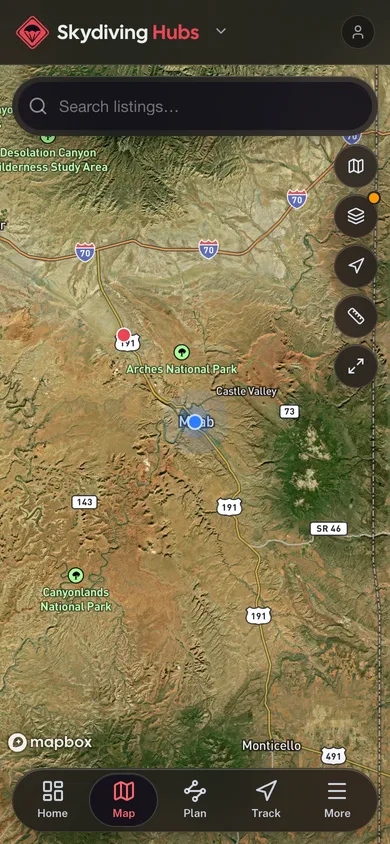
Tap a pin to open its profile.
Quick facts
- Drop zones listed
- 1
- Best season
- April through November
All listings
1 drop zone
across Pennsylvania

Plan your trip
Plan your trip to Pennsylvania
Jumping Season and Weather
Most Pennsylvania drop zones operate from early spring (April) through late fall (November). Operations are highly weather-dependent; jumps are postponed for high winds, rain, or low clouds. Always check with your chosen drop zone before traveling.
Tandem, AFF, and Licensed Options
Tandem skydiving is for first-timers, attached to an instructor. Accelerated Freefall (AFF) is a training program for those pursuing a skydiving license. Licensed jumpers can typically "fun jump" at any drop zone, provided they meet experience requirements and have current gear.
Age and Weight Requirements
All skydivers must be at least 18 years old. Most drop zones have a weight limit, typically ranging from 220 to 250 pounds, with some requiring a surcharge for jumpers over a certain weight. Verify specific limits with your chosen drop zone.
Your First Jump Experience
A tandem first jump involves a ground briefing, gearing up with an instructor, a scenic plane ride, a freefall segment, and a parachute ride to a soft landing. The entire process, from arrival to departure, can take several hours.
AFF Licensing Progression
The AFF program typically involves 7-10 levels, each with specific learning objectives and instructor supervision. Upon successful completion and meeting jump count requirements (usually 25 jumps total), students can apply for a USPA A-license, allowing them to jump solo.
Confirm current requirements with the state agency before your trip. Rules and fees change every season.
Age Requirement
All individuals participating in skydiving activities in Pennsylvania, including tandem students, must be at least 18 years of age on the day of their jump. This is a standard industry-wide requirement enforced by drop zones.
Health and Medical Disclosure
Participants are required to sign waivers and disclose any relevant medical conditions that could pose a risk during skydiving. While a doctor's note is rarely required for tandem jumps, it may be necessary for certain medical conditions for AFF students.
FAA Operational Compliance
All skydiving operations in Pennsylvania adhere to Federal Aviation Administration (FAA) regulations, specifically Part 105, which governs parachute operations. Drop zones are responsible for ensuring compliance with these federal safety standards.
Equipment Standards
All skydiving equipment, including parachutes, harnesses, and automatic activation devices (AADs), must meet strict technical standard order (TSO) requirements and be maintained by FAA-certified riggers. This ensures the airworthiness and safety of all gear used.
- 01
Research Pennsylvania Drop Zones
Start by scouting drop zones across the state. Weigh location, what they offer (tandem, AFF), the aircraft they fly, and what past jumpers report, then pick the one that fits your goals.
- 02
Book Your Jump in Advance
Summer and fall fill up fast. Lock in your reservation online or by phone, and confirm the date, time, and type of jump you want while you have someone on the line.
- 03
Prepare for Your Skydiving Day
On jump day, wear comfortable athletic clothes and closed-toe shoes. Eat something light, stay hydrated, skip alcohol and drugs, and show up well-rested and ready to go.
- 04
Complete Paperwork and Briefing
When you arrive, you'll finish the waivers and sit through a full safety briefing. Tandem students get paired with an instructor for one-on-one prep before the load.
- 05
Embrace the Experience
Follow your instructor, loosen up, and let the freefall and the quiet canopy ride land the way they're meant to. Most drop zones sell video and photo packages if you want to keep it.
01What is the minimum age to skydive in Pennsylvania?
02Are there weight restrictions for skydiving?
03What should I wear for my skydive?
04How long does the entire skydiving experience take?
05Can I get photos or videos of my skydive?
06What is Accelerated Freefall (AFF)?
Free tools
Your free outdoor toolkit

Everything Map
Listings, trails, spots, clubs and public land on a single full-screen map. Switch layers on and off, then tap any point for the details.
Open Everything MapRoute Planner
Drop stops on a map and watch distance and drive time add up. Export a GPX or share the link.
Open Route PlannerSkydiving Clubs
Browse local clubs with meeting info and how to join, or start your own for free.
Open Skydiving ClubsPhoto ID
Point your camera at whatever you found and get a structured identification. No signup.
Open Photo IDGear Checklists
Printable, save-as-you-go packing lists. Tick items off and pull them up on your phone.
Open Gear ChecklistsMaintenance Schedules
Pick your machine and get its full service schedule. Add your hours to turn intervals into dates.
Open Maintenance Schedules
Keep exploring