Skydiving · New Mexico
Skydiving in New Mexico
Jump 3 drop zones across New Mexico. Maps, hours, contact info, photos, and verified operator profiles, all in one place.
Sky islands, the Rio Grande, and high-desert mesa country.
About New Mexico
Best time to go
When to jump in New Mexico
April through November for low desert; June through October for high country.
- April–October: the dependable jumping window
- Jump mornings, afternoon thermals pick up over hot terrain
- Thinner air at altitude affects canopy flight, so brief accordingly
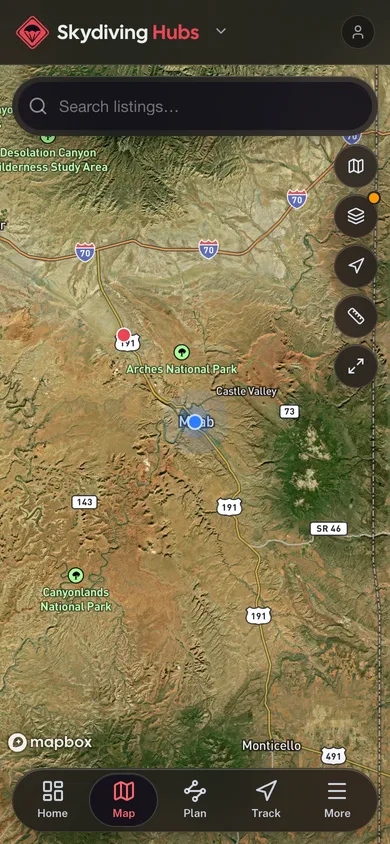
3 on the map
Tap a pin to open its profile.
Quick facts
- Drop zones listed
- 3
- Best season
- April through November
All listings
3 drop zones
across New Mexico
Plan your trip
Plan your trip to New Mexico
Jumping Season & Weather Windows
New Mexico offers skydiving year-round, though specific drop zones may have seasonal operating hours. The best weather windows are typically mornings to avoid stronger afternoon winds and summer thunderstorms. Fall generally provides the most consistently favorable conditions.
Tandem vs. AFF vs. Licensed Jumper Options
Beginners can opt for a tandem skydive, securely harnessed to an instructor. Aspiring solo skydivers can enroll in an Accelerated Freefall (AFF) program. Licensed skydivers can utilize drop zone facilities for fun jumps, provided they meet USPA and local DZ requirements.
Age and Weight Requirements
All skydivers, including tandem students, must be at least 18 years old. Most drop zones enforce a maximum weight limit, typically ranging from 220 to 250 pounds, for safety reasons and equipment limitations. It is crucial to verify specific limits with your chosen drop zone.
What a First Jump Involves
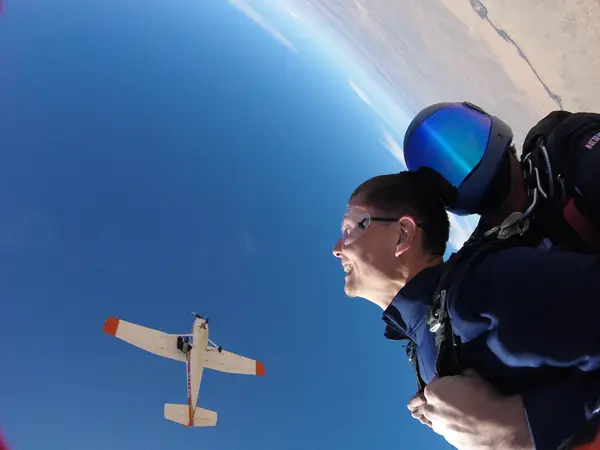
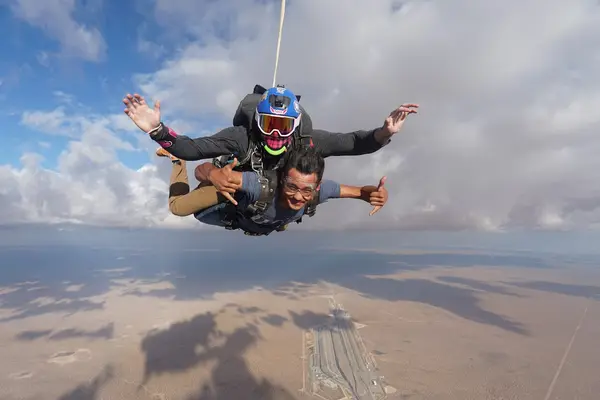
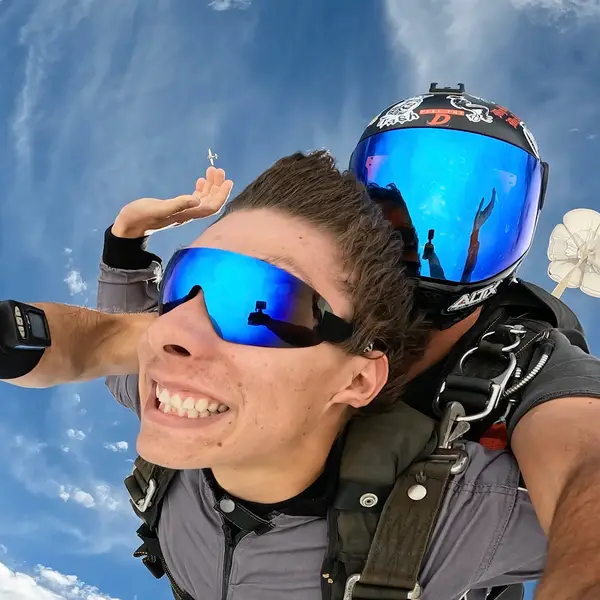
A first tandem skydive typically begins with a briefing on safety and procedures, followed by gearing up and a scenic aircraft ride. You'll exit the plane with your instructor, experience freefall, and then enjoy a parachute ride to a soft landing. The entire experience can take several hours from check-in to completion.
Accelerated Freefall (AFF) Progression
The AFF program involves a series of coached skydives designed to teach students how to skydive solo. It starts with ground school and progresses through multiple jumps with instructors, gradually reducing assistance until the student can safely perform all tasks independently, leading to a USPA A-license.
Confirm current requirements with the state agency before your trip. Rules and fees change every season.
Age Requirement
All individuals participating in skydiving activities in New Mexico, including tandem students and those commencing AFF training, must be at least 18 years of age. This is a universal requirement across all USPA-affiliated drop zones.
Medical Fitness
Participants are generally required to self-certify their medical fitness for skydiving. For AFF students and licensed jumpers, a basic medical statement is typically required, affirming no conditions that would impair judgment or physical ability during a skydive. Consult a physician if you have any concerns.
FAA Part 105 Compliance
All skydiving operations in New Mexico, as throughout the United States, are conducted under the strict regulations of Federal Aviation Administration (FAA) Part 105. This covers aspects such as airspace use, equipment standards, and operational safety, ensuring a regulated environment for all jumps.
USPA Membership for Licensed Jumpers
While not strictly a state regulation, most drop zones in New Mexico require licensed skydivers to hold current membership with the United States Parachute Association (USPA) to jump. USPA membership provides third-party liability insurance and access to standardized training and safety guidelines.
- 01
1. Research Drop Zones
Match New Mexico drop zones to your goal: a tandem, AFF training, or fun jumping. Weigh location, facilities, aircraft, and what past jumpers report before you commit.
- 02
2. Check Weather and Seasonal Conditions
Read the typical weather for your dates. It shifts by season and by region here, and wind and summer thunderstorms are the two things that shut down jumping.
- 03
3. Book Your Jump
Call the drop zone to lock in a tandem or set up your AFF ground school and first jump. Confirm their age, weight, and health rules while you're at it.
- 04
4. Review Safety Briefings and Requirements
Go through any pre-jump material or safety videos the DZ sends over. Have your waivers, ID, and payment ready before you arrive.
- 05
5. Arrive Prepared
Dress for the weather in comfortable athletic clothes and closed-toe shoes, and block out several hours, the whole thing runs long.
01Do I need a license to skydive in New Mexico?
02What are the age and weight limits for skydiving?
03What should I wear for my skydive?
04How long does the entire skydiving experience take?
05Can I bring my own camera or phone on the jump?
06What happens if the weather is bad on my scheduled jump day?
Free tools
Your free outdoor toolkit

Everything Map
Listings, trails, spots, clubs and public land on a single full-screen map. Switch layers on and off, then tap any point for the details.
Open Everything MapRoute Planner
Drop stops on a map and watch distance and drive time add up. Export a GPX or share the link.
Open Route PlannerSkydiving Clubs
Browse local clubs with meeting info and how to join, or start your own for free.
Open Skydiving ClubsPhoto ID
Point your camera at whatever you found and get a structured identification. No signup.
Open Photo IDGear Checklists
Printable, save-as-you-go packing lists. Tick items off and pull them up on your phone.
Open Gear ChecklistsMaintenance Schedules
Pick your machine and get its full service schedule. Add your hours to turn intervals into dates.
Open Maintenance Schedules
Keep exploring