Skip to content
Montana skydiving sky. Backdrop for the Skydiving Hubs Montana drop zone directory

Skydiving · Montana

Skydiving in Montana

Jump 4 drop zones across Montana. Maps, hours, contact info, photos, and verified operator profiles, all in one place.

Big Sky country. Glacier, the Bob, and the Yellowstone headwaters.

Updated

Highest rated

Skydiving in Montana by Google rating

Ranked by Google rating, then by number of reviews, across all 4 drop zones listed in Montana. A blank cell means we do not have that detail yet.

Drop zoneCityJumpsRating
Skydive Glacier CountryKalispell5.018 Google reviews
DZone Skydiving, BozemanThree ForksTandem Jump, AFF Training4.9155 Google reviews
Skydive MissoulaStevensvilleTandem Jump, AFF Training4.865 Google reviews
Meadow Peak SkydivingMarion4.852 Google reviews

On the map

Drop zones in Montana

Everything we have mapped in Montana, on one map. Tap anything for its details.

Loads the full map of Montana. We leave it off by default so the page opens fast on mobile data.

About Montana

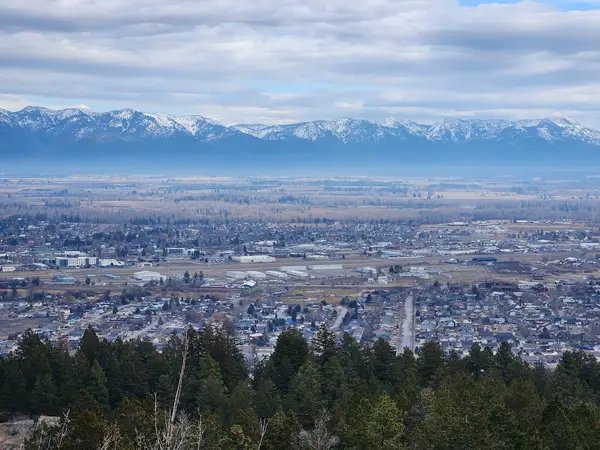
Exit the plane over Montana and the ground doesn't just rise to meet you, it unrolls. The Mission Mountains and the Absaroka-Beartooth Wilderness fill the horizon, Glacier's peaks catch light to the north, and the plains east of Billings run flat to the edge of sight. Drop zones here sit where the scenery pays off, and first-time tandem students spend their canopy ride staring at a landscape most people only see from a car window on the interstate.

Montana's AFF training runs small and close. There aren't many facilities, so the ones that operate tend to know their students by name, running consistent schedules when the weather cooperates and pairing each jumper with dedicated instructors on the path to an A-license. The open airspace over the Flathead Valley or near Bozeman gives students room to work: clean exits, clean pulls, and plenty of altitude to fix what needs fixing.

Licensed jumpers find a tight but open community. Drop zones welcome a range of experience and host events across disciplines, from formation work to freeflying. Winds and thermals shift depending on where you jump, the valleys behave differently than the plains, which keeps things interesting for anyone who's grown bored of the same predictable pattern. Towns like Missoula and Great Falls put food, fuel, and a bed within easy reach of the landing area.

The adventure doesn't stop at the peas. Flathead Lake, the hiking in Gallatin National Forest, and a scatter of old mining towns give jumpers and their non-jumping companions somewhere to go once the day's loads are done. That mix, serious airtime plus a state's worth of ground to explore, is what pulls people back to Montana.

When to jump in Montana

Peak Sep

Full season

Quick facts

Drop zones listed
4
Best season
June through October

Trip guide

Know before you go in Montana

Federal permits, lotteries and timed-entry reservations in Montana, from Recreation.gov.

Confirm current requirements with the agency that sets them before your trip. Rules and fees change every season.

  • Minimum Age Requirement

    In Montana, as with all USPA-affiliated drop zones across the United States, individuals must be at least 18 years old to participate in any skydiving activity, including tandem jumps and Accelerated Freefall (AFF) training. This is a strict requirement for insurance and liability purposes.

  • Physical Fitness and Waivers

    Participants are required to sign a comprehensive waiver before skydiving, attesting to their understanding of the risks and their physical fitness to jump. While no specific state medical exam is mandated, individuals with pre-existing conditions should consult their doctor and disclose relevant information to the drop zone.

  • FAA Regulations Compliance

    All skydiving operations in Montana, including aircraft maintenance, pilot qualifications, and air traffic procedures, are subject to Federal Aviation Administration (FAA) regulations. Jumpers are expected to comply with instructions from jumpmasters and pilots to ensure safe air operations.

01What is the best time of year to skydive in Montana?
The prime season runs from late May through September. June through August brings the most consistent warm weather and the longest days, which makes it the sweet spot for every kind of jump. Operations thin out or stop entirely once the cold sets in.
02Are there any age or weight restrictions for skydiving in Montana?
Yes. Everyone must be at least 18. Weight limits usually land somewhere between 220 and 250 pounds depending on the drop zone and its gear, and heavier jumpers may face a surcharge. Confirm the exact numbers with the drop zone before you book.
03Do I need any prior experience to skydive in Montana?
Not for a tandem. You're harnessed to an experienced instructor who runs the entire jump while you take in the view. For Accelerated Freefall (AFF), you'll get thorough ground training before your first jumps with your own parachute.
04What kind of views can I expect when skydiving over Montana?
Big ones. The Rockies and their sub-ranges (the Missions, the Gallatins), plus wide plains, winding rivers, and often a flash of a big lake like Flathead. Big Sky Country earns the nickname from altitude.
05How long does the entire skydiving experience take?
The freefall and canopy ride add up to only a few minutes, but the whole visit (check-in, ground training, gearing up, the climb to altitude, and the landing), runs a few hours. Block out half a day, more when it's busy.
06Can licensed skydivers jump at any drop zone in Montana?
Generally yes, at USPA-affiliated drop zones, as long as you carry a current USPA license and follow the local rules and manifest procedures. Call ahead anyway to confirm hours and what they expect from visiting fun jumpers.