Skydiving · Indiana
Skydiving in Indiana
Jump 2 drop zones across Indiana. Maps, hours, contact info, photos, and verified operator profiles, all in one place.
Hardwood hills, Wabash river country, and Lake Michigan dunes.
About Indiana
Best time to go
When to jump in Indiana
April through October.
- June–September: the heart of the season, most events and loads
- Spring and fall jump well on clear, calm days
- Winter: many DZs limited, so call ahead
2 on the map
Tap a pin to open its profile.
Quick facts
- Drop zones listed
- 2
- Best season
- April through October
All listings
2 drop zones
across Indiana
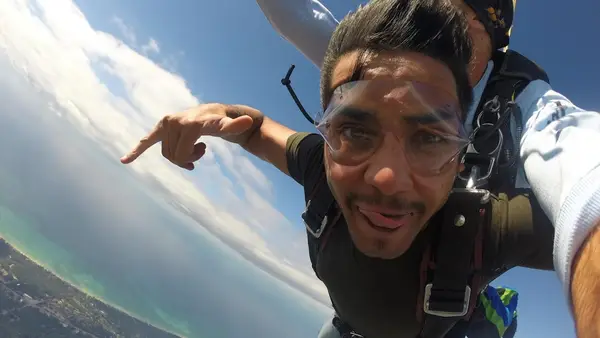
Plan your trip
Plan your trip to Indiana
Jumping Season and Weather
The primary skydiving season in Indiana runs from late spring through early fall, typically April/May to October/November. Operations are highly weather-dependent, requiring clear skies, light winds, and no precipitation. Always confirm with your chosen drop zone regarding their operating schedule and weather policies.
Tandem vs. AFF vs. Licensed Jumper Options
First-time jumpers typically begin with a tandem skydive, harnessed to an instructor. Accelerated Freefall (AFF) is for those committed to becoming licensed solo skydivers. Licensed jumpers with current ratings can perform fun jumps, often requiring proof of license, logbook, and equipment inspection.
Age and Weight Requirements
The minimum age for skydiving in Indiana, set by USPA safety requirements, is 18 years old. Most drop zones also have weight restrictions, typically around 220-250 pounds, with some variations or additional fees for heavier individuals to ensure safety and equipment compatibility. A valid photo ID is always required.
What a First Jump Involves
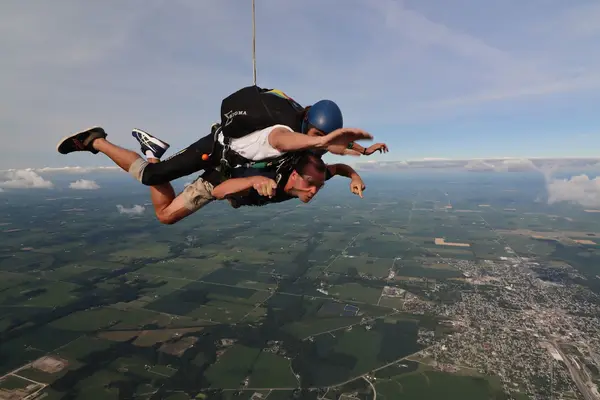
A first jump, almost universally a tandem skydive, involves a brief ground training session, gearing up, a scenic plane ride to altitude, approximately 60 seconds of freefall, and a 5-7 minute parachute ride to landing. The entire experience from arrival to departure can take several hours, so plan accordingly.
AFF Licensing Progression
The Accelerated Freefall (AFF) program typically involves 7-8 levels, each focusing on specific freefall and canopy skills. Upon successful completion of AFF levels, students must then complete coached jumps and demonstrate proficiency in various maneuvers to earn their A-license, usually requiring a minimum of 25 jumps.
Confirm current requirements with the state agency before your trip. Rules and fees change every season.
Minimum Age for Skydiving
In Indiana, as per USPA Basic Safety Requirements and drop zone policies, individuals must be at least 18 years old to participate in any skydiving activity, including tandem jumps and student training. A valid, government-issued photo ID is required for verification.
Medical Fitness for Jumping
While there isn't a specific state-mandated medical exam for skydiving, all participants are generally required to sign a waiver stating they are in good health and free from certain medical conditions that could pose a risk. Individuals with pre-existing health concerns should consult their doctor and inform the drop zone prior to booking.
Waiver and Release Forms
All skydivers, whether tandem students, AFF students, or licensed jumpers, are required to sign comprehensive liability waivers and assumption of risk forms. These legal documents acknowledge the inherent risks of skydiving and release the drop zone and its personnel from liability. This is a standard practice across all Indiana drop zones.
- 01
Research Drop Zones
Start with the drop zones themselves. Look for experienced instructors, a solid safety record, and good reviews, and weigh location, jump types (tandem, AFF), and the aircraft and amenities on offer.
- 02
Understand Requirements
Get familiar with the age, weight, and health requirements. You'll need to be at least 18 and within the stated weight limits, and have a valid photo ID on you when you arrive.
- 03
Book Your Jump
Once you've picked a drop zone, book ahead, especially on summer and fall weekends. Confirm the details, arrival time, and any deposit, and ask how they handle weather.
- 04
Prepare for the Day
Wear comfortable athletic clothes and closed-toe shoes. Skip alcohol and a heavy meal, arrive rested and hydrated, and expect to spend several hours on site, weather and air traffic can push things back.
01What happens if there is bad weather on my scheduled jump day?
02Can I get photos or videos of my skydive?
03How long does the entire skydiving experience take?
04Do I need any prior experience to skydive in Indiana?
05Is skydiving safe?
06What should I wear for my skydive?
Free tools
Your free outdoor toolkit

Everything Map
Listings, trails, spots, clubs and public land on a single full-screen map. Switch layers on and off, then tap any point for the details.
Open Everything MapRoute Planner
Drop stops on a map and watch distance and drive time add up. Export a GPX or share the link.
Open Route PlannerSkydiving Clubs
Browse local clubs with meeting info and how to join, or start your own for free.
Open Skydiving ClubsPhoto ID
Point your camera at whatever you found and get a structured identification. No signup.
Open Photo IDGear Checklists
Printable, save-as-you-go packing lists. Tick items off and pull them up on your phone.
Open Gear ChecklistsMaintenance Schedules
Pick your machine and get its full service schedule. Add your hours to turn intervals into dates.
Open Maintenance Schedules
Keep exploring