Skydiving · Hawaii
Skydiving in Hawaii
Jump 6 drop zones across Hawaii. Maps, hours, contact info, photos, and verified operator profiles, all in one place.
Volcanic peaks rising 13,000 feet from a tropical Pacific.
About Hawaii
Best time to go
When to jump in Hawaii
Year-round. Winter brings the biggest North Pacific surf.
- Year-round operations with the most consistent winter weather
- Summer: jump early to beat heat and afternoon storms
- A great winter destination for jumpers from colder regions
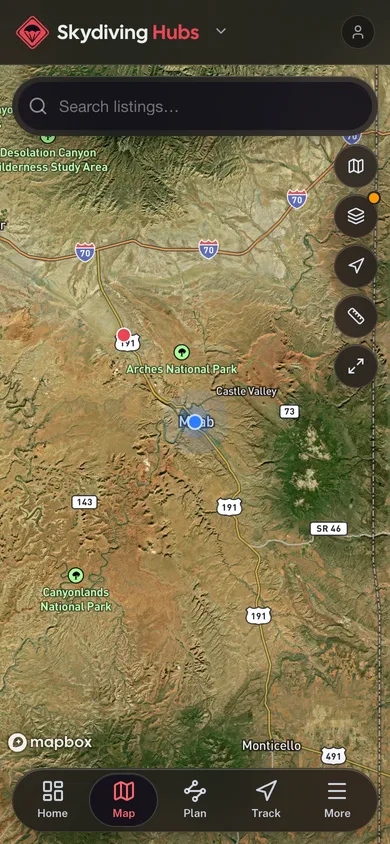
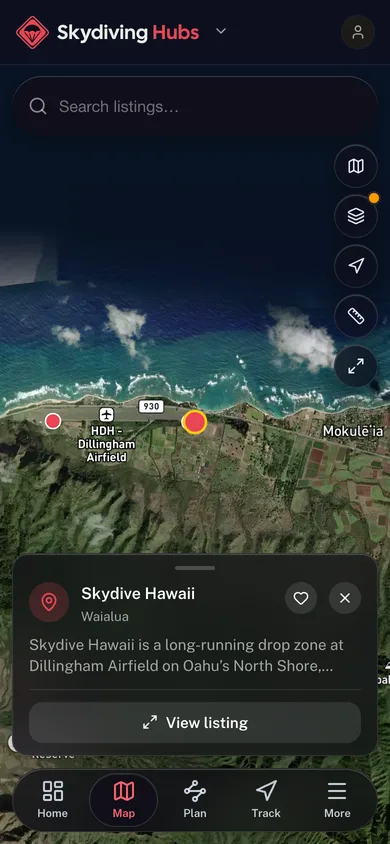
6 on the map
Tap a pin to open its profile.
Quick facts
- Drop zones listed
- 6
- Best season
- Year-round
All listings
6 drop zones
across Hawaii


Plan your trip
Plan your trip to Hawaii
Jumping Season and Weather Windows
Skydiving in Hawaii is generally year-round due to the tropical climate. However, weather conditions like strong winds or rain can cause delays or cancellations. Mornings often provide the calmest and clearest conditions for jumping.
Tandem vs. AFF vs. Licensed Jumper
Tandem jumps are for first-timers, requiring minimal training. Accelerated Freefall (AFF) is a structured course for those seeking a skydiving license. Licensed jumpers must hold a valid USPA license and verify specific drop zone requirements and local airspace rules.
Age and Weight Requirements
The minimum age for tandem skydiving in Hawaii is typically 18 years old. Weight limits vary by drop zone and equipment, often ranging from 220 to 250 pounds, with additional fees or restrictions for jumpers over a certain weight.
First Jump Experience
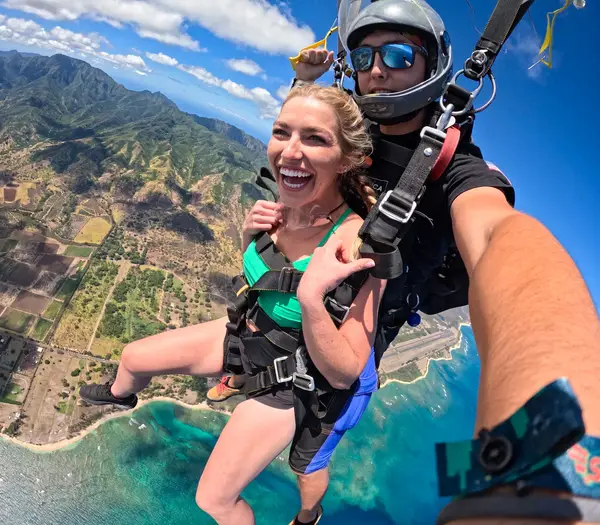
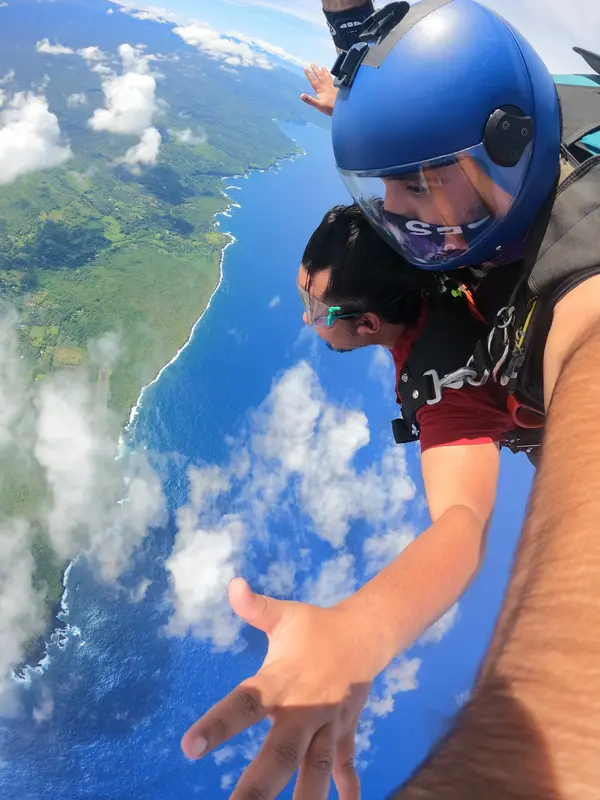
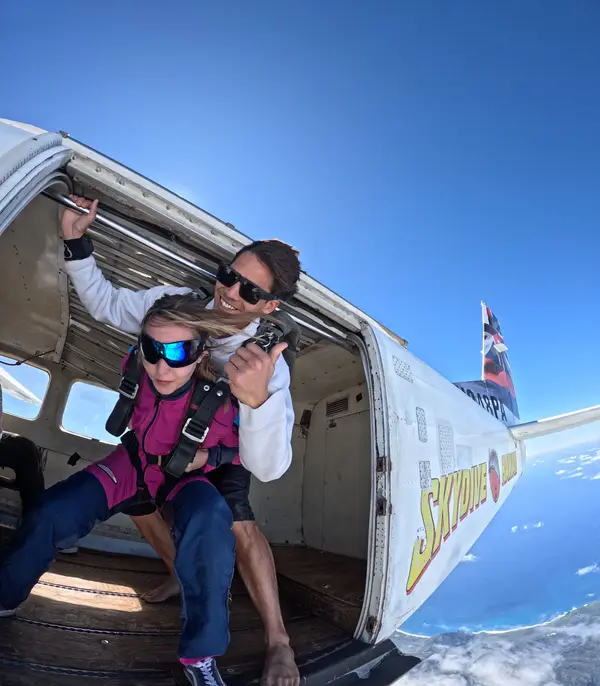
A first tandem jump involves a brief ground briefing, being harnessed to an experienced instructor, and exiting the aircraft together. The freefall is followed by a parachute ride, offering stunning aerial views before a gentle landing.
AFF Licensing Progression
The AFF program consists of multiple jumps, each with specific learning objectives and instructor supervision. Successful completion of these levels, along with ground school and packing courses, leads to eligibility for a USPA A-license.
Confirm current requirements with the state agency before your trip. Rules and fees change every season.
USPA Membership for Licensed Jumpers
Licensed skydivers engaging in self-supervised jumps at Hawaiian drop zones are typically required to hold current United States Parachute Association (USPA) membership. This ensures compliance with established safety standards and best practices for sport parachuting.
Age Requirement for Tandem Skydiving
In Hawaii, individuals must be at least 18 years old to participate in a tandem skydive. This is a standard industry requirement across the United States to ensure legal consent and maturity for the activity.
Medical Fitness for Skydiving
While not typically requiring a formal medical certificate for tandem or AFF student jumps, participants are generally asked to sign a waiver confirming they are in good health and free from conditions that could endanger themselves or others. Consult a physician if you have health concerns.
Airspace Regulations
All skydiving operations in Hawaii must adhere strictly to Federal Aviation Administration (FAA) regulations regarding airspace. Drop zones coordinate with air traffic control, especially given the presence of military and commercial air traffic around the islands.
- 01
Step 1: Research Drop Zones
Find licensed, established drop zones, most are on Oahu. Look at safety records, aircraft, instructor credentials, and whether they run tandem, AFF, or licensed jumping.
- 02
Step 2: Choose Your Jump Type
Pick your lane: a tandem for a first taste of freefall, an AFF course toward a license, or fun jumps if you're already licensed. Each carries different prerequisites and booking steps.
- 03
Step 3: Check Requirements and Book
Confirm age, weight, and health requirements with your drop zone, then book ahead, especially in peak season. Lock in the date, time, and any deposit.
- 04
Step 4: Prepare for Your Jump
Wear comfortable athletic clothes and closed-toe shoes. Skip alcohol and drugs, sleep well the night before, and arrive early for your briefing and gear-up.
- 05
Step 5: Understand Local Conditions
Hawaiian wind and cloud can move your slot on short notice. Drop zones jump when it's safe and hold when it isn't, so build flexibility into the day.
01What is the best time of year to skydive in Hawaii?
02Are there any specific age or weight restrictions for skydiving in Hawaii?
03Can I get my skydiving license in Hawaii?
04What kind of views can I expect during a skydive in Hawaii?
05Do I need to make a reservation for a skydive?
06What should I wear for my skydive?
Free tools
Your free outdoor toolkit

Everything Map
Listings, trails, spots, clubs and public land on a single full-screen map. Switch layers on and off, then tap any point for the details.
Open Everything MapRoute Planner
Drop stops on a map and watch distance and drive time add up. Export a GPX or share the link.
Open Route PlannerSkydiving Clubs
Browse local clubs with meeting info and how to join, or start your own for free.
Open Skydiving ClubsPhoto ID
Point your camera at whatever you found and get a structured identification. No signup.
Open Photo IDGear Checklists
Printable, save-as-you-go packing lists. Tick items off and pull them up on your phone.
Open Gear ChecklistsMaintenance Schedules
Pick your machine and get its full service schedule. Add your hours to turn intervals into dates.
Open Maintenance Schedules