Skydiving · Florida
Skydiving in Florida
Jump 11 drop zones across Florida. Maps, hours, contact info, photos, and verified operator profiles, all in one place.
Saltwater flats, springs, and the largest subtropical wilderness in the US.
About Florida
Best time to go
When to jump in Florida
October through May. The wet season runs hot and humid from June through September.
- Year-round operations with the most consistent winter weather
- Summer: jump early to beat heat and afternoon storms
- A great winter destination for jumpers from colder regions
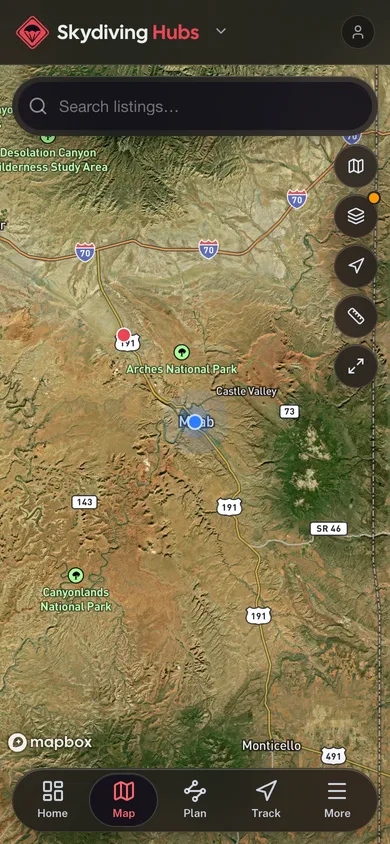
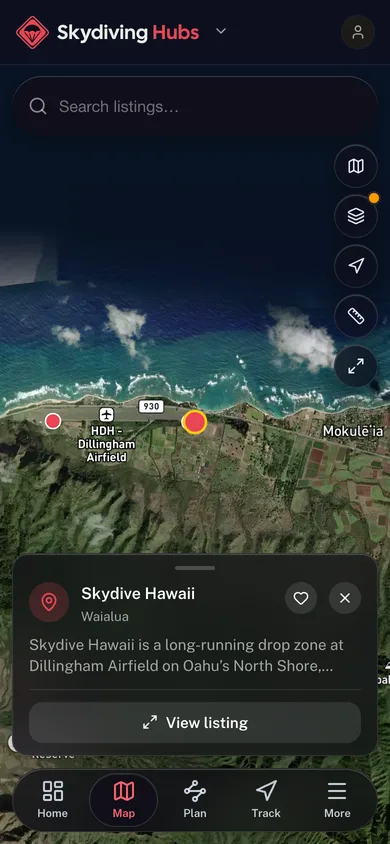
11 on the map
Tap a pin to open its profile.
Quick facts
- Drop zones listed
- 11
- Best season
- October through May
All listings
11 drop zones
across Florida
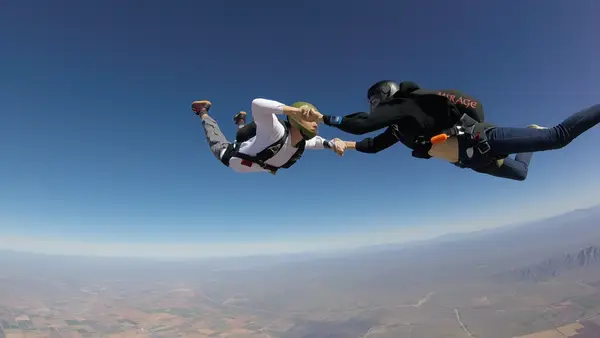

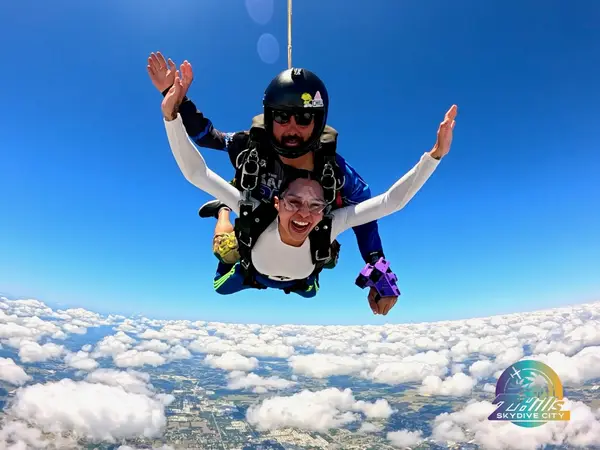
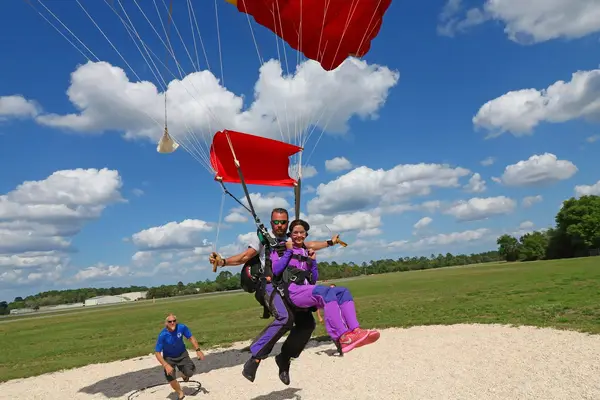
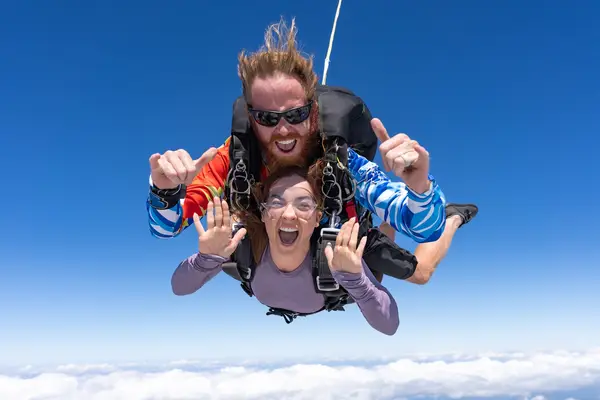
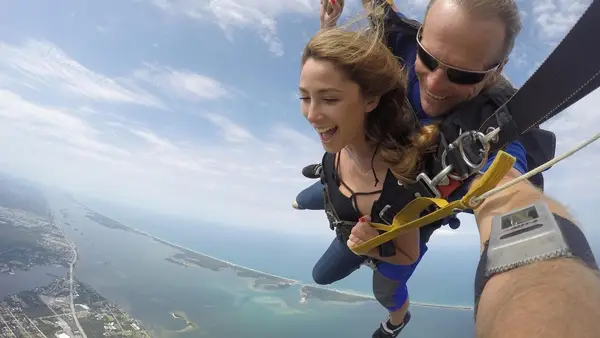
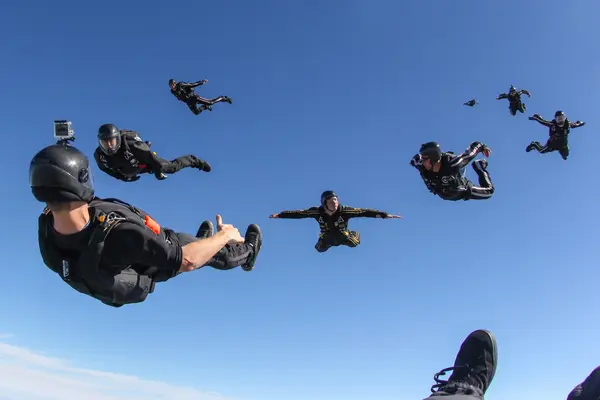
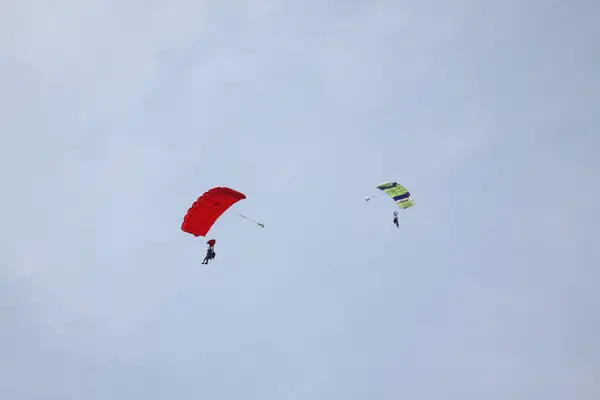
Plan your trip
Plan your trip to Florida
Jumping Season and Weather Windows
Skydiving is a year-round activity in Florida due to the favorable climate. While summer afternoons can bring pop-up thunderstorms, most drop zones operate reliably, often scheduling jumps earlier in the day during warmer months. Winter offers the most consistent clear weather.
Tandem vs. AFF vs. Licensed Jumper Options
Tandem skydiving is the entry point for most, requiring minimal training and allowing immediate freefall with an instructor. Accelerated Freefall (AFF) is a structured course for those seeking a license. Licensed jumpers must hold a current USPA membership and comply with FAA regulations.
Age and Weight Requirements
All skydivers, including tandem students, must be at least 18 years old. Weight limits vary by drop zone and equipment, typically ranging from 220 to 250 pounds, often with surcharges for higher weights. Verification with the chosen drop zone is essential.
What a First Jump Involves
A first jump, typically a tandem, includes a ground briefing covering safety procedures, equipment, and freefall body position. You will then be paired with an instructor for the ascent, freefall, and parachute ride. The entire experience usually lasts a few hours from arrival to landing.
AFF Licensing Progression
The AFF program involves ground school followed by a series of coached jumps, progressing from instructor-assisted freefall to solo maneuvers. Upon completing the required jumps and demonstrating proficiency, students can earn their A-license through the United States Parachute Association (USPA).
Confirm current requirements with the state agency before your trip. Rules and fees change every season.
USPA Membership for Students and Licensed Jumpers
All AFF students and licensed skydivers operating at USPA-affiliated drop zones in Florida are required to hold a current membership with the United States Parachute Association. This membership provides third-party liability insurance and access to instructional ratings and licenses.
USPA MembershipMinimum Age Requirement
The Federal Aviation Regulations (FARs) and United States Parachute Association (USPA) require all individuals participating in skydiving activities, including tandem jumps and student progression, to be at least 18 years of age. Parental consent is not an exception to this rule.
USPA Skydiver's Information ManualGear Compliance for Licensed Jumpers
Licensed skydivers must use equipment that complies with Federal Aviation Administration (FAA) regulations and USPA recommendations. This includes a main and reserve parachute, with all components maintained and inspected according to manufacturer and regulatory standards. An automatic activation device (AAD) is required for students and strongly recommended for licensed jumpers, but is not federally mandated. Reserve parachutes must be packed by an FAA-certificated rigger within the preceding 180 days.
Medical Fitness Self-Attestation
While Florida does not mandate a specific medical examination for skydiving, all participants are required to sign a waiver attesting to their physical and mental fitness to jump. Individuals with pre-existing medical conditions should consult a physician and inform the drop zone prior to arrival.
- 01
1. Research Drop Zones
Find the Florida drop zones that match your experience and the jump you want: tandem, AFF, or fun jump. Factor in location, facilities, aircraft, and what the community says.
- 02
2. Choose Your Jump Type
Pick your lane: a tandem for a first-timer, an AFF program toward a license, or fun jumps if you're already licensed. Each comes with its own requirements and prep.
- 03
3. Book in Advance
During peak fall and winter, or for an AFF course, book well ahead to lock in your spot and your preferred time.
- 04
4. Prepare for Your Jump Day
Wear comfortable athletic clothes and closed-toe shoes. Stay hydrated, eat something light, and steer clear of alcohol and drugs for at least 8 hours before you jump.
- 05
5. Understand Safety Guidelines
Learn the basic safety protocols and listen closely to every pre-jump briefing. Following your instructor's lead is what keeps the jump safe and fun.
01How many drop zones operate in Florida?
02What is the minimum age to skydive in Florida?
03Are there weight restrictions for skydiving?
04What should I wear for my skydive?
05Can I skydive if I have a medical condition?
06What is the difference between a tandem jump and AFF?
07Do I need a special license to skydive in Florida?
Free tools
Your free outdoor toolkit

Everything Map
Listings, trails, spots, clubs and public land on a single full-screen map. Switch layers on and off, then tap any point for the details.
Open Everything MapRoute Planner
Drop stops on a map and watch distance and drive time add up. Export a GPX or share the link.
Open Route PlannerSkydiving Clubs
Browse local clubs with meeting info and how to join, or start your own for free.
Open Skydiving ClubsPhoto ID
Point your camera at whatever you found and get a structured identification. No signup.
Open Photo IDGear Checklists
Printable, save-as-you-go packing lists. Tick items off and pull them up on your phone.
Open Gear ChecklistsMaintenance Schedules
Pick your equipment and get its full service schedule. Add your usage to turn intervals into dates.
Open Maintenance Schedules