Skydiving · Alaska
Skydiving in Alaska
Jump 1 drop zone across Alaska. Maps, hours, contact info, photos, and verified operator profiles, all in one place.
America's last great frontier. Fjords, glaciers, and 17 of the 20 highest peaks in the country.
About Alaska
Best time to go
When to jump in Alaska
June through early September. Long days and an accessible interior.
- June–September: the heart of the season, most events and loads
- Spring and fall jump well on clear, calm days
- Winter: many DZs limited, so call ahead
1 on the map
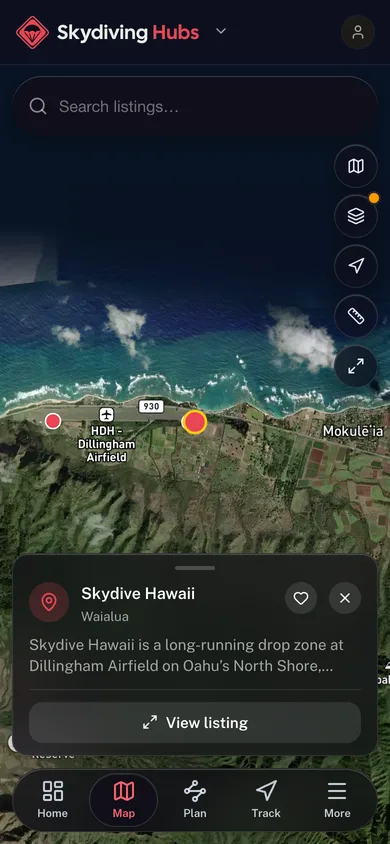
Tap a pin to open its profile.
Quick facts
- Drop zones listed
- 1
- Best season
- June through early September
All listings
1 drop zone
across Alaska
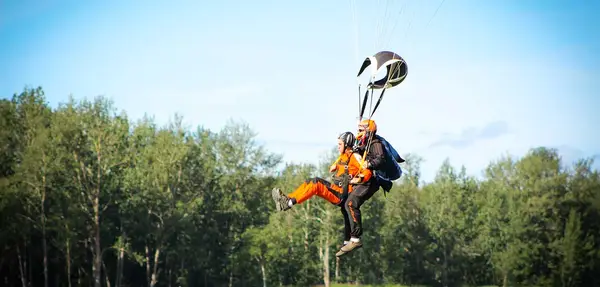
Plan your trip
Plan your trip to Alaska
Jumping Season and Weather Windows
The primary skydiving season in Alaska runs from late May or early June through early September. Operations are highly dependent on clear skies, light winds, and favorable temperatures. Always check with the drop zone for current weather conditions and operational status before planning your visit.
Tandem, AFF, and Licensed Jumper Options
Most Alaskan drop zones offer tandem skydiving for first-timers. Accelerated Freefall (AFF) programs are available for those seeking to become licensed solo skydivers, requiring multiple jumps and dedicated training. Licensed jumpers must present valid FAA and USPA credentials and adhere to local drop zone rules.
Age and Weight Requirements
All skydivers, regardless of jump type, must be at least 18 years old. Weight limits vary by drop zone and equipment, typically ranging from 220 to 250 pounds, with some requiring a higher fee for jumpers over a certain weight. Specific body mass index (BMI) requirements may also apply; verify directly with your chosen drop zone.
Your First Jump Experience
A first jump in Alaska is almost always a tandem skydive. This involves a brief ground training session, followed by jumping harnessed to a certified instructor from altitudes typically around 10,000 to 14,000 feet. The instructor handles all equipment operation, allowing you to focus on the freefall and the scenic views.
Accelerated Freefall (AFF) Progression
The AFF program involves a series of instructional jumps designed to teach you how to skydive solo. Each jump builds on the previous one, starting with two instructors and progressing to one, then solo. Completing the AFF course, along with additional coached and solo jumps, is a pathway to obtaining your A-license from the United States Parachute Association (USPA).
Confirm current requirements with the state agency before your trip. Rules and fees change every season.
Minimum Age for Skydiving
In Alaska, under USPA's Basic Safety Requirements and U.S. contract law (a minor can't sign a binding liability waiver: FAA Part 105 itself sets no age limit), all participants in skydiving activities, including tandem jumps and AFF training, must be at least 18 years of age on the day of the jump. Parental consent is not an exception to this rule for minors.
Medical Fitness for Jumping
All skydivers are expected to be in good physical and mental health. Participants are typically required to sign a statement of medical fitness. Individuals with certain medical conditions, such as heart problems, severe asthma, or recent surgeries, should consult their physician before skydiving and inform the drop zone staff.
USPA Membership for Licensed Jumpers
While not a federal regulation for all jumps, most legitimate drop zones in Alaska and across the United States require licensed skydivers (those not doing tandem or AFF student jumps) to hold current membership with the United States Parachute Association (USPA) to ensure adherence to safety standards and best practices.
FAA Regulations for Pilots and Operations
Skydiving operations in Alaska are governed by Federal Aviation Administration (FAA) Part 105 regulations for parachute operations and Part 91/135 for aircraft operations. Pilots and instructors are required to hold appropriate FAA certifications and ratings, ensuring the safety and legality of all flight and jump activities.
- 01
Research and Choose a Drop Zone
Start by finding an Alaska drop zone that matches what you want, a tandem jump or AFF training. Check the operating schedule closely, since the season is short, and confirm they run the type of jump you're after.
- 02
Book Your Jump in Advance
With a short season and unpredictable weather, booking early is the difference between jumping and going home empty. It locks in your slot and lets the drop zone plan around you, which matters most for AFF programs.
- 03
Prepare for Your Experience
Read the drop zone's rules on age, weight, and medical conditions before you show up. Dress in comfortable layers built for Alaskan weather, it's colder at altitude than on the ground, and skip alcohol or drugs beforehand.
- 04
Arrive Early for Training
Get to the drop zone at your scheduled time with room to spare for check-in, paperwork, and the mandatory ground training. That buffer means you board the aircraft knowing the procedures cold.
- 05
Embrace the Alaskan Skydiving Adventure
Briefed and geared up, you're set to jump over some of the biggest country on the continent. Listen to your instructors, follow the safety guidelines, and get ready for a look at Alaska you won't forget.
01What is the best time of year to skydive in Alaska?
02What kind of views can I expect during an Alaskan skydive?
03Are there specific clothing recommendations for skydiving in Alaska?
04How long does the entire skydiving experience take?
05Is it possible to get an Accelerated Freefall (AFF) license in Alaska?
06What if the weather is bad on my scheduled jump day?
Free tools
Your free outdoor toolkit

Everything Map
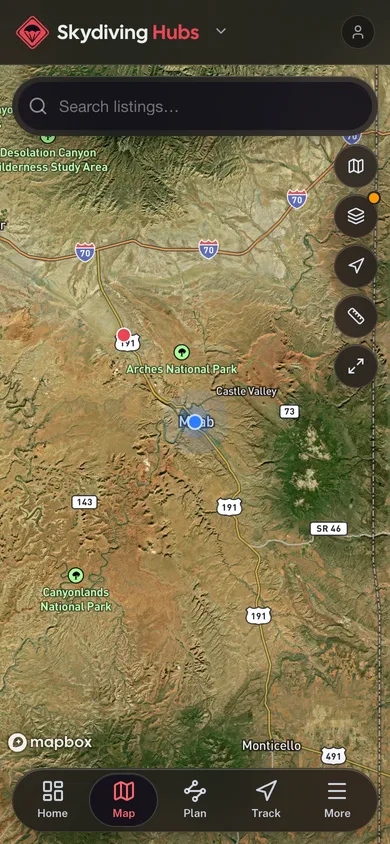
Listings, trails, spots, clubs and public land on a single full-screen map. Switch layers on and off, then tap any point for the details.
Open Everything MapRoute Planner
Drop stops on a map and watch distance and drive time add up. Export a GPX or share the link.
Open Route PlannerSkydiving Clubs
Browse local clubs with meeting info and how to join, or start your own for free.
Open Skydiving ClubsPhoto ID
Point your camera at whatever you found and get a structured identification. No signup.
Open Photo IDGear Checklists
Printable, save-as-you-go packing lists. Tick items off and pull them up on your phone.
Open Gear ChecklistsMaintenance Schedules
Pick your machine and get its full service schedule. Add your hours to turn intervals into dates.
Open Maintenance Schedules