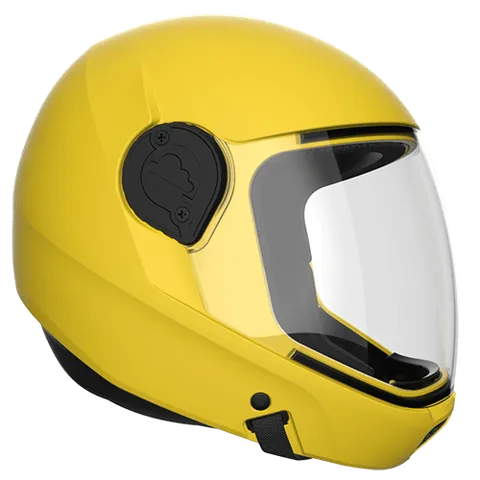
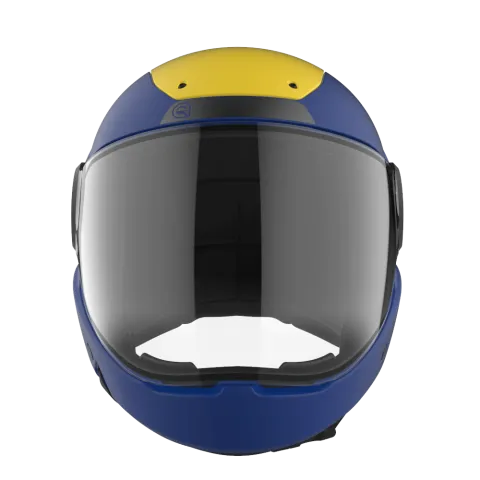
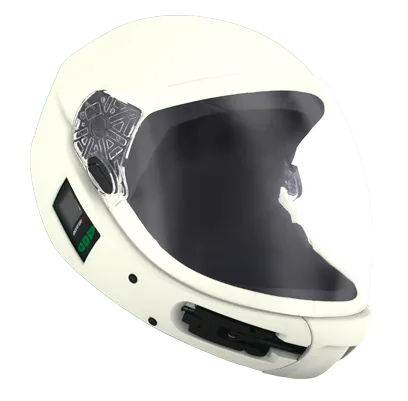
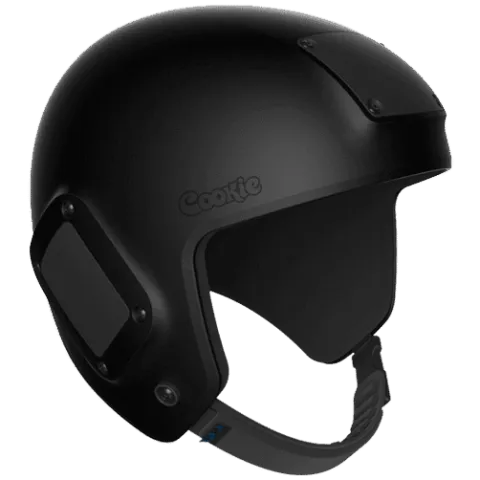
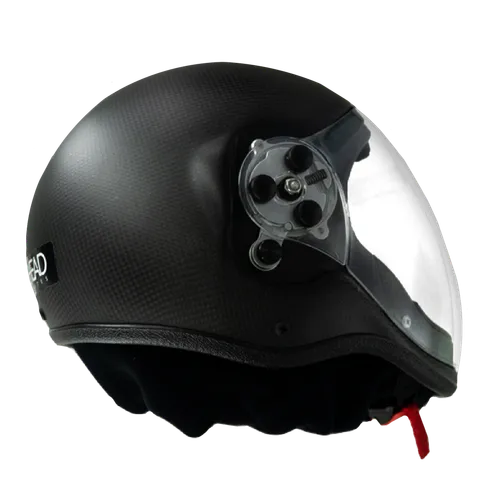
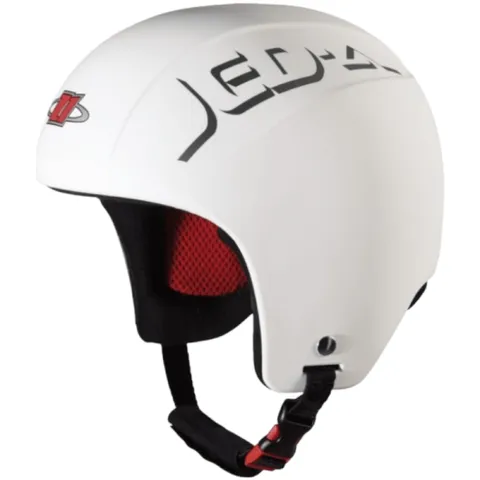
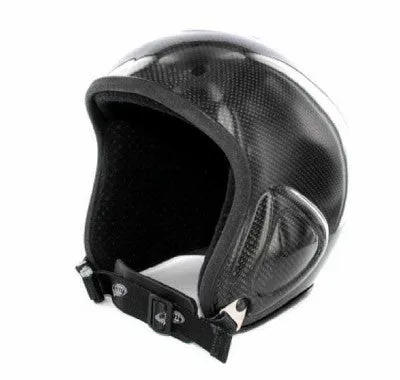
Choosing a skydiving helmet is one of the first real gear decisions a licensed jumper or progressing student makes, and unlike most sporting goods it isn't a category Amazon helps you navigate: the serious options live with specialty rigging lofts like ChutingStar, Para-Gear, Square1, Cookie, Bonehead and Tonfly. The market splits cleanly into two families: open-face helmets (an exposed chin, your goggles seal the wind) and full-face helmets (an integrated flip-up visor). Students under instruction and CReW/tandem pilots often start open-face because it keeps communication and peripheral awareness simple, while most everyone gravitates toward a full-face within their first hundred jumps for the wind-noise reduction, eye protection and camera-ready aesthetics.
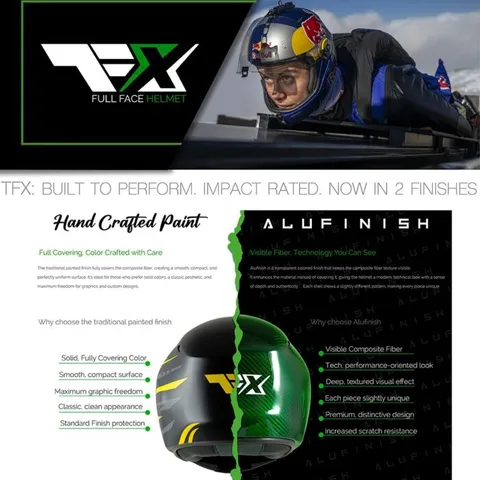
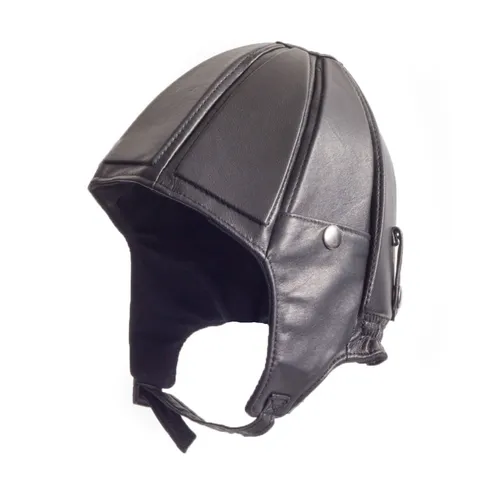
Price spans a wide arc. A leather frap hat or basic open-face can be had for around a hundred dollars, a mid-market full-face like the Square1 KISS or Cookie Fuel lands in the $300s, and the flagship full-faces (Cookie's G4 and G35, plus Tonfly's made-to-order carbon TFX), sit in the $500–$700 range once you spec colors and a visor. What you pay for at the top is fit precision, quieter airflow, optically correct anti-fog visors and resale value that barely depreciates.
The single most important variable is fit: a correctly sized budget helmet beats an ill-fitting premium one every time, and head shape (round vs. oval) matters as much as circumference. None of these are DOT/Snell motorcycle helmets: skydiving headgear is impact-rated to EN 966 at most, and is primarily there to protect against door strikes, in-air collisions and hard openings, not terminal-velocity ground impact. Buy for fit, your discipline, and whether you'll fly a camera, then let budget narrow the field.