Skip to content
Top-rated outdoor gear, ranked

Best Of 2026

Best Skydiving Audible Altimeters of 2026

Our top 12 picks, independently ranked. Budget to premium.

An audible altimeter is the one piece of gear that keeps working when you cannot look at your wrist. In a head-down transition, a poorly-timed barrel roll, or the middle of a 20-way breakoff, your visual altimeter is useless if your arm is somewhere you cannot see it. A helmet-mounted audible solves that by beeping, siren-ing, or speaking altitude directly into your ear canal. For students it builds the altitude awareness habit under supervision. For licensed jumpers it becomes non-negotiable the moment you start flying angles, freeflying, or jumping with more than a couple of other people.

The market is smaller than most gear categories and it is dominated by four makers. Larsen & Brusgaard of Denmark builds the Solo, Optima, Quattro, and ProTrack line that most dropzones run on, and their new 3-series adds Bluetooth and the JumpTrack app. Alti-2 in Florida counters with the rugged, USB-C rechargeable Atlas and the very compact Mercury pair. Freefall Data Systems in the US owns the speaking-audible niche with VoxAlti and MetaAlti, which call out altitudes in a human voice rather than beeping. AON2 in the UK undercuts everyone with the Brilliant Pebbles Wireless. Caelum Systems and FlySight fill in specialist corners.

What actually separates a $179 audible from a $429 one is not accuracy. Every unit here reads barometric pressure to within a few tens of feet, which is far tighter than your reaction time. You are paying for canopy alarms, for a fourth alarm slot, for a freefall computer and logbook, for a rechargeable cell instead of coin batteries, and for the ability to change settings from your phone on the ride to altitude instead of clicking through a two-button menu with cold hands.

At a glance

#ProductPrice
1
Optima 3

Larsen & Brusgaard

$355–$375
2$290–$310
3
ProTrack 3

Larsen & Brusgaard

$415–$440
4$175–$195
5$300–$350
6
Quattro 3

Larsen & Brusgaard

$355–$375
7
Solo II

Larsen & Brusgaard

$270–$290
8$210–$230
9
VoxAlti

Freefall Data Systems

$389–$410
10
MetaAlti

Freefall Data Systems

$409–$440
11
Talkable

Caelum Systems

$240–$275
12
FlySight 2

FlySight

$285–$310
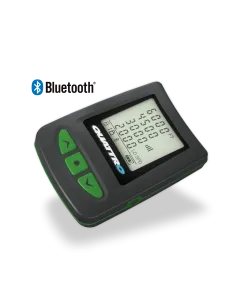
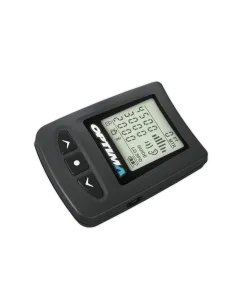
Optima 3
Best OverallPremium

1. Optima 3

Larsen & Brusgaard

$355–$375

The most complete all-round audible for a licensed sport jumper, covering climb, freefall, and canopy phases with a proper set of warnings each. Bluetooth and the JumpTrack app finally kill the two-button menu that made older L&B units tedious to reprogram.

Best for: The licensed jumper who freeflies, flies angles, and wants canopy alarms without stepping up to a full freefall computer.

Three climb, three high-speed, and three canopy descent warnings settable to 9,900 feet · Canopy guide tones increase in tempo as you approach the trigger, which swoopers actually use · Four memory banks let you switch between belly, freefly, and hop-and-pop profiles instantly · Freefall computer logs 50 jumps and syncs to JumpTrack on iOS or Android

Coin cells rather than rechargeable, so you carry spare CR-2325s · Canopy features are wasted money if you land straight in on a docile wing
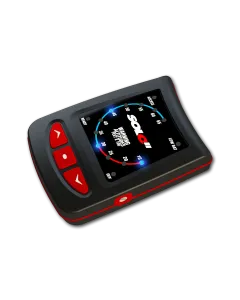
Mercury Crimson
Best ValueMid-range

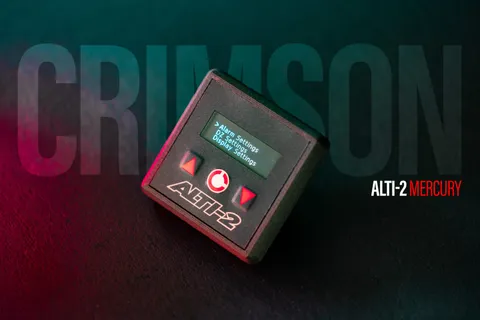
2. Mercury Crimson

Alti-2

$290–$310

Four freefall alarms, three canopy alarms, and two climb alarms in a unit the size of a large postage stamp, for well under the L&B units that match it on features. The four preset alarm groups map to real jumps rather than abstract memory banks.

Best for: Instructors and load organizers who want a fourth alarm and canopy warnings without paying premium-tier money.

Four freefall plus three canopy plus two climb alarms undercuts pricier competitors on count · Alarm groups ship preconfigured for AFF, tandem, big-way, and angle flying · USB-C rechargeable, roughly 200 jumps per charge, with a low-battery call at 1,000 feet · Tiny at 1.73 by 1.75 by 0.37 inches and 0.6 oz, so speaker placement in the helmet is flexible

App support was iOS first with Android arriving later, so check before you buy · Water-resistant nylon case rather than the machined aluminum of the Atlas · Frequently out of stock at dealers

ProTrack 3
Best PremiumPremium

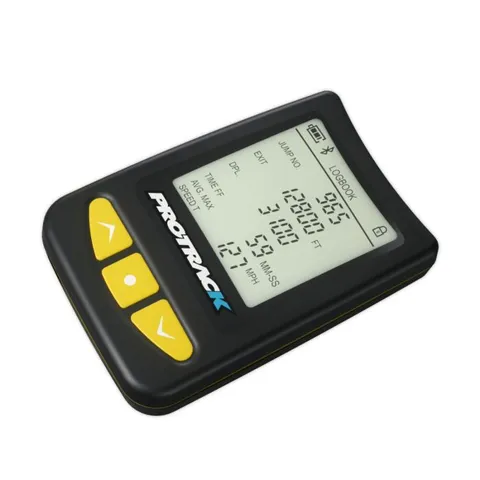
3. ProTrack 3

Larsen & Brusgaard

$415–$440

L&B's flagship pairs the deepest alarm set in the lineup with a genuine freefall computer, and it is the unit most surveyed jumpers name as their next upgrade. Four warnings in every phase and a 29,900 foot ceiling cover high-altitude and specialty jumps nothing else here handles.

Best for: Competitive and high-time jumpers who want alarm depth plus real post-jump freefall data in one device.

Four climb, four high-speed, and four canopy warnings, adjustable to 29,900 feet · Freefall computer stores 50 jumps with altitude, speed, and accelerometer traces · On-unit LCD means you can read jump data without a phone · JumpTrack app includes a USPA-format digital logbook

The most expensive L&B audible by a clear margin · The freefall computer is genuinely wasted on a jumper who never analyses fall rate · Coin-cell powered rather than rechargeable

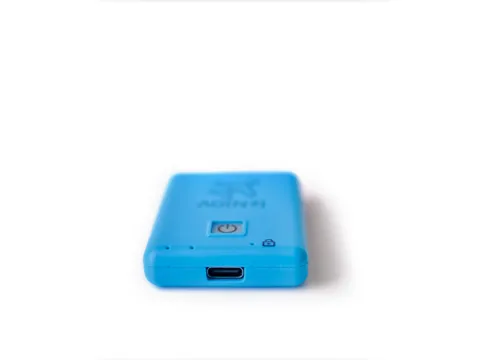
Brilliant Pebbles Wireless
Best BudgetBudget

4. Brilliant Pebbles Wireless

AON2

$175–$195

The cheapest real audible on the market by a wide margin, and it is not a compromise unit. Always-on Bluetooth and up to 20 configurable alarms give it more programming headroom than audibles costing twice as much.

Best for: First-time buyers and anyone adding a second audible to the other ear pocket as a hard deck backup.

Roughly half the price of the next cheapest full-featured audible · Up to 20 alarms with a configurable hard deck, all set from the phone app · USB-C rechargeable with about a month or 100 jumps per charge · Wireless firmware updates keep an older unit current

No freefall computer or logbook · Small UK maker, so dealer stock in North America is thin and intermittent · Auto power-off at 16 hours means a forgotten unit can be flat on arrival

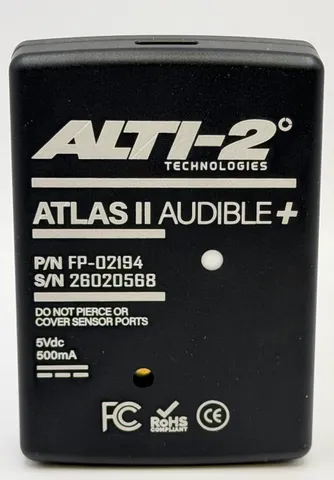
Atlas II+ Audible
Editor's PickPremium

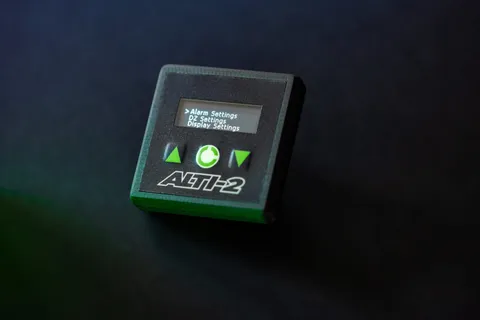
5. Atlas II+ Audible

Alti-2

$300–$350

The toughest unit in this guide and the only one whose logbook holds 2,500 jump summaries. A machined aluminum case, waterproofing to six feet, and five months per charge make it the buy-once option for jumpers hard on gear.

Best for: High-volume jumpers, tunnel coaches, and anyone who wants one audible to last a decade.

Machined aircraft aluminum case, waterproof to 6 feet for an hour, survives 1.2 m drops at 1000+ G · Four freefall and four canopy alarms across eight alarm group profiles · USB-C rechargeable running up to five months per charge · Logbook holds 2,500 jump summaries with exit, deployment, and speed data

Heavier and bulkier than the Mercury or Pebbles in a tight helmet pocket · Some dealers are clearing older Atlas II stock, so confirm you are buying the current II+ · Menu-driven configuration on the unit rather than a modern phone-first workflow

Quattro 3
Premium

6. Quattro 3

Larsen & Brusgaard

$355–$375

The Optima 3's sibling, priced identically but weighted toward freefall rather than canopy. A fourth high-speed warning and tracking guide tones make it the pick for AFF instructors and big-way organizers who need one more freefall checkpoint.

Best for: AFF instructors, big-way organizers, and wingsuit pilots who need a fourth freefall alarm more than canopy guidance.

Four high-speed warnings settable to 29,900 feet, one more than the Optima 3 · Tracking guide tones aid breakoff on formation jumps · Freefall computer stores 50 jumps and syncs over Bluetooth to JumpTrack · Same thin curved shell that drops into standard helmet audible pockets

Only three canopy descent warnings, so swoopers are better served by the Optima 3 · Costs the same as the Optima 3, which forces a real decision rather than an upgrade path · Coin cells rather than rechargeable

Solo II
Mid-range

7. Solo II

Larsen & Brusgaard

$270–$290

The default first audible at most dropzones and the most common second unit in a jumper's other ear. Three freefall warnings, no canopy alarms, no logbook, and nothing to go wrong.

Best for: New A-license holders buying their first audible, and experienced jumpers who want a dead-simple backup.

Three selectable warning altitudes with two distinct pulsing tones plus a high-pitched siren on the third · Batteries are two common CR-2325 coin cells that last months and are easy to source anywhere · Thin ergonomic shell with built-in mounting holes fits essentially every helmet · Simplest unit here to hand to a newer jumper and explain in two minutes

No canopy alarms at all, which caps its usefulness as you progress · No logbook or freefall data · Priced close to rechargeable units that do considerably more

Mercury Jade
Budget

8. Mercury Jade

Alti-2

$210–$230

The Crimson with the canopy alarms removed and about $80 off the price. If you only ever wanted freefall warnings, this is the smartest rechargeable buy under $230.

Best for: Belly and freefly jumpers who want modern rechargeable hardware without paying for canopy features.

Three customizable freefall alarms plus climb alarms in a 0.6 oz package · USB-C rechargeable for roughly 200 jumps per charge · DZ and aircraft offset settings for landing areas at a different elevation than the airport · Reads in feet or meters, useful for jumpers who travel internationally

No canopy alarms, so it will not grow with you into swooping or wingsuiting · No freefall computer or logbook · Stock has been intermittent at major dealers

VoxAlti
Premium

9. VoxAlti

Freefall Data Systems

$389–$410

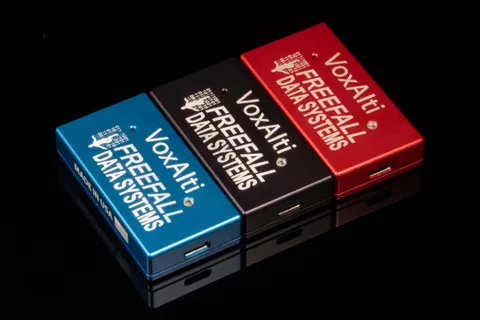
Instead of beeping at three altitudes, VoxAlti reads your altitude aloud in a human voice at intervals you define. Students and newer jumpers build altitude awareness far faster with a running commentary than with discrete alarms.

Best for: Students, coaches, and canopy pilots who want continuous spoken altitude rather than three beeps.

Spoken callouts at user-defined increments for each phase of the jump, from a professional voice recording · Five presets selectable by a button press on the unit, with unlimited notifications per preset · Can also emit conventional beeps and sirens, so it doubles as a normal audible · Per-preset landing zone offsets and automatic adjustment to local elevation

Speech is inherently less attention-grabbing than a siren at freefly speeds in an open-face helmet · About 50 jumps per charge, the shortest battery life of the FDS units · Made by a small US shop, so support and stock are not dealer-wide

MetaAlti
Premium

10. MetaAlti

Freefall Data Systems

$409–$440

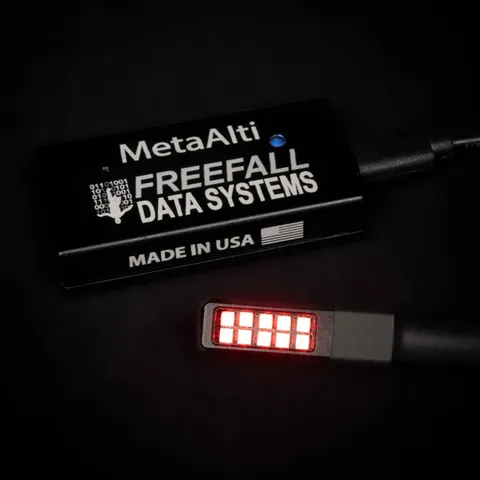
VoxAlti plus LED alerts in your peripheral vision, which is the direct answer to the one real weakness of speaking audibles. When wind noise at speed masks audio, a light you cannot miss still gets through.

Best for: Speed skydivers, high-performance freefliers, and anyone whose helmet or hearing makes audio alerts unreliable.

Combines speech, synthesized tones, and customizable LED light alerts that change with altitude · Roughly 100 jumps or four months per charge, double the VoxAlti · Accepts custom MP3 uploads alongside 100+ factory sounds · Anodized aluminum case with IP67 waterproofing, made in the USA

The most expensive unit in this guide · LED alerts only help if the unit sits where your eye can catch it, which depends on your helmet · Overkill for a jumper who just needs three reliable beeps

Talkable
Mid-range

11. Talkable

Caelum Systems

$240–$275

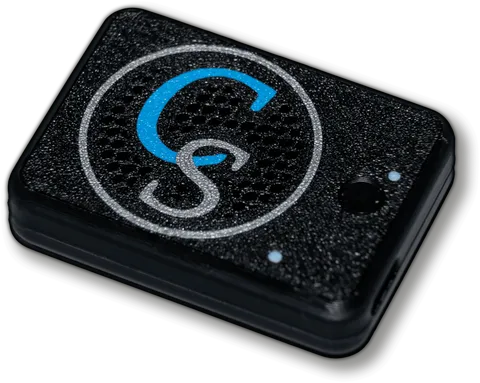
A speaking audible at roughly half the price of the US-built voice units, from a small UK maker with an unusually simple setup story. Settings live in a text file on the unit's own USB drive, so there is no app and no pairing.

Best for: Jumpers who want spoken altitude callouts without paying premium-tier prices for them.

Calls out altitude across thousand and hundred foot thresholds, not just at presets · Can also beep at preset altitudes, so it works as a conventional audible too · Configured by editing a file on the internal USB drive, which needs no phone or proprietary software · Rechargeable with USB-C and announces its own battery level

Sold primarily in GBP from a UK shop, so US buyers face shipping and currency variance · Frequently out of stock at the handful of dealers that carry it · No logbook or freefall data, and no canopy guide tones

FlySight 2
Mid-range

12. FlySight 2

FlySight

$285–$310

Not a conventional audible and not a substitute for one. FlySight 2 speaks your glide ratio and speed in real time from GPS, which lets a wingsuit or tracking pilot feel the effect of a body position change while it is happening.

Best for: Wingsuit and tracking suit pilots working on glide performance who already run a dedicated audible.

Real-time audible feedback on glide ratio, horizontal speed, and vertical speed · Logs GNSS at up to 25 Hz, pressure at 200 Hz, and motion at up to 6 kHz for detailed debriefs · IP67 case with USB-C charging and Bluetooth · Compatible with existing aluminum and Cookie mounting hardware

It is a performance tool, so you still need a real audible for altitude warnings · Persistently out of stock across dealers · Value depends entirely on your willingness to review data after every jump

How we choose

We ranked on how well each unit serves the jump you are actually doing, not on spec-sheet volume. Three things carried the most weight: whether the alarm set matches a real discipline (three freefall warnings is enough for belly and freefly, a fourth matters for AFF instructors and big-way organizers, canopy alarms matter for swoopers and wingsuiters), how quickly you can change a setting between loads, and whether the power source will strand you. Everything here is a current production model that a US or European dealer lists, and prices were cross-checked across at least two retailers in different currencies to catch stale listings. Budget picks are single-purpose freefall audibles under about $230. Mid-tier adds canopy alarms, rechargeable power, or a speaking voice in the $240 to $310 band. Premium adds a freefall computer, a logbook, a fourth alarm per phase, and app-based configuration above about $340. We bought or borrowed nothing from any manufacturer, no brand paid for placement or review, and no ranking position was offered or sold. Affiliate links may earn a commission, which never changes the order.

Common questions

No, and treating it that way is how people get hurt. A visual altimeter gives you a continuous reading you can interpret and act on. An audible gives you discrete alerts at altitudes you set in advance, and it tells you nothing about the 3,000 feet in between. Batteries die, speakers get muffled by a badly-packed helmet liner, and a unit that was set for a 3,000 foot deployment last weekend is still set that way today. Every jumper here should be running a visual altimeter as the primary reference and using the audible as a backup and an attention-getter.

Ask your instructors first, because DZ policy varies and some AFF programs deliberately keep students off audibles early so they build the habit of checking a wrist altimeter. Where it is allowed, a simple three-alarm unit like the Solo II or Mercury Jade is a reasonable first purchase around A-license time. Skip the canopy alarms and the freefall computer at this stage. You will not use them, and the money is better spent on a good visual altimeter and a helmet that actually fits.

Canopy alarms fire under an open parachute rather than in freefall, on a low-speed altitude trigger instead of a high-speed one. They matter to two groups. Swoopers use them to set up a turn at a repeatable altitude, and the L&B Optima and Alti-2 Mercury Crimson add guide tones that speed up as you descend toward the trigger. Wingsuit pilots use low-speed warnings on the long spot back. If you are jumping a docile canopy and landing straight in, canopy alarms are a feature you will pay for and never enable.

Rechargeable USB-C units (Atlas II+, both Mercury models, VoxAlti, MetaAlti, Brilliant Pebbles) cost less to run and never send you hunting for a CR-2325 at a boogie. The trade-off is that a flat battery on Saturday morning means an hour on a charger, not a 30 second swap. Coin-cell units (Solo II, Optima 3, Quattro 3, ProTrack 3) run for many months and can be fixed anywhere on earth in two minutes. Jumpers who travel to remote dropzones often prefer the coin cell for exactly that reason.

In a full-face, almost certainly. Full-face shells trap sound and most jumpers run their audible at a low or medium volume setting. Open-face is where volume becomes a real buying criterion, especially at high freefly speeds where wind noise climbs. Beeping and siren units cut through better than speaking ones, which is the honest weakness of the voice audibles. That is precisely the gap MetaAlti tries to close by pairing speech with LED alerts in your peripheral vision.

Redundancy, and the fact that a second unit costs less than an ambulance ride. A common setup is a full-featured audible with canopy alarms in one ear pocket and a cheap, dead-simple freefall-only unit in the other as a hard deck backstop. The Solo II and the Brilliant Pebbles both get bought in volume for that second slot. Set the backup to a single loud warning at your absolute hard deck and never change it.

Some links are affiliate links, and we may earn a commission at no extra cost to you. It never affects our rankings.

In your pocket

Take every dropzone with you.

Free, no account needed. Dropzone maps, gear checklists, and your jump log in your pocket.

  • Every dropzone in your pocket

  • Round up your crew with group chat

  • Your jump log in one timeline

  • Prep checklists synced to your account

The Skydiving Hubs app dashboard

For operators

Run a skydiving business?
Get on the map for free.

Claim your free listing for a branded page and a spot in the Skydiving Hubs app, then add bookings and digital waivers whenever you’re ready. No setup cost.