Skip to content
Top-rated outdoor gear, ranked

Best Of 2026

Best Skydiving Altimeters of 2026

Our top 9 picks, independently ranked. Budget to premium.

Every skydive comes down to one decision made at the right altitude, and an altimeter is the instrument that tells you when to make it. For students drilling the cadence of "check, peel, punch" and for licensed jumpers building wingsuit, freefly, or canopy currency, the device on your wrist (or in your helmet) is a piece of safety equipment first and a gadget second. The market splits into three jobs: visual altimeters you read at a glance, analog needles or digital displays, audibles that beep break-off and pull alerts into your ear, and the newer GPS loggers that record the whole skydive. Most experienced jumpers eventually own both a visual and an audible, because they do genuinely different things and an audible should never replace an active altitude check.

The good news is that this is a mature, slow-moving category dominated by two trusted manufacturers, Larsen & Brusgaard (L&B) of Denmark and Alti-2 of the United States, plus a handful of newer entrants like AON2, Deep & Steep, and Dekunu pushing on price and features. The bad news is that almost none of it shows up usefully on Amazon; this is specialty gear sold through dropzone pro shops and skydiving retailers such as ChutingStar, SkydiveShop, and Skydive Store. That's exactly why a guide like this is worth reading: prices run from roughly $200 for a no-frills analog or audible up to $520-plus for a GPS data recorder, and the right pick depends far more on your discipline and license stage than on spending the most money.

This guide spans that full spectrum. We cover the analog wrist dial that most first-jump courses still issue, the compact digital that has become the default for thousands of jumpers, the audibles that handle freefall and canopy alerts, and the GPS-logging flagship for the data-obsessed. Wherever you are in your progression, there is a sensible, currently-available answer here.

At a glance

#ProductPrice
1
Viso II+ Digital Altimeter

Larsen & Brusgaard (L&B)

$340–$370
2$200–$220
3
ProTrack II Audible Altimeter

Larsen & Brusgaard (L&B)

$300–$320
4
ARES II Digital Altimeter

Larsen & Brusgaard (L&B)

$440–$470
5$200–$215
6$500–$590
7$410–$440
8
Optima II Audible Altimeter

Larsen & Brusgaard (L&B)

$300–$350
9
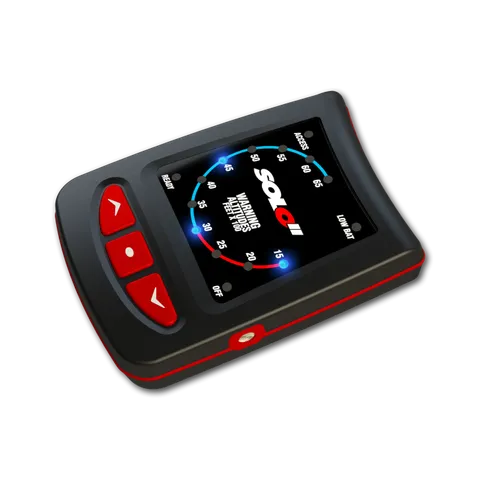
Solo II Audible Altimeter

Larsen & Brusgaard (L&B)

$200–$215
Viso II+ Digital Altimeter
Best OverallMid-range

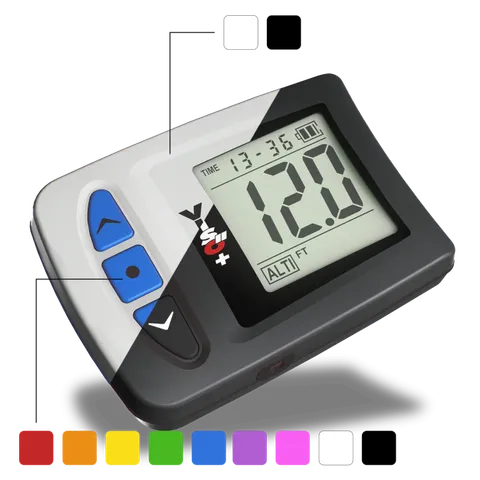
1. Viso II+ Digital Altimeter

Larsen & Brusgaard (L&B)

$340–$370

The compact digital visual altimeter that has become the de facto standard on dropzones worldwide: accurate, easy to read at low altitude, and from the most trusted name in the business.

Best for: Licensed jumpers and progressing students who want one do-everything visual altimeter

Large, high-contrast digital readout that's easy to read precisely near the ground · Small, light, and low-snag compared to an analog dial · Built-in logbook and feet/meters switching · L&B's excellent reliability and service reputation

More expensive than an analog or the budget AON X0 · No audible or GPS, it's a pure visual altimeter

Altimaster Galaxy Analog Altimeter
Best BudgetBudget

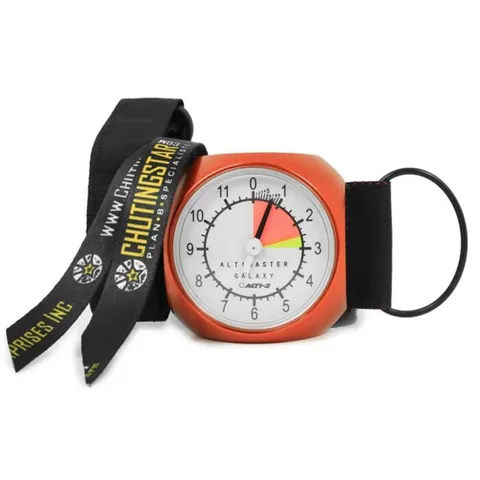
2. Altimaster Galaxy Analog Altimeter

Alti-2

$200–$220

The industry-standard analog wrist altimeter, a big, glanceable 2-inch dial with a glow face that thousands of students learn on and plenty of veterans still trust.

Best for: Students and anyone wanting a simple, affordable, reliable visual altimeter

Intuitive needle reading that's fast under stress · Phosphorescent glow face for low-light loads (dusk/night) · No charging, no menus, extremely simple and durable · Wrist strap with finger loop included

Harder to read precisely at very low altitude than a digital · Bulkier with more snag potential than a digital · No logbook or data features

ProTrack II Audible Altimeter
Editor's PickMid-range

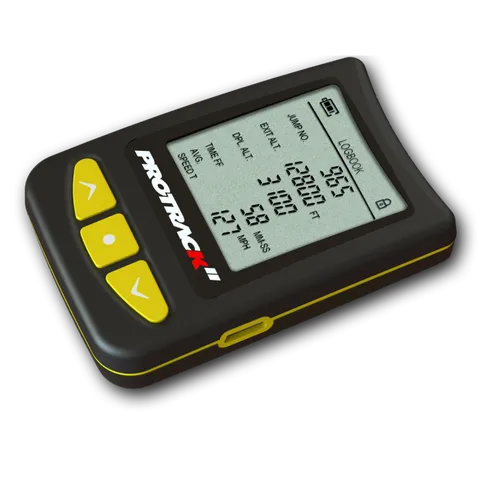
3. ProTrack II Audible Altimeter

Larsen & Brusgaard (L&B)

$300–$320

The most-recommended audible of its generation: customizable freefall and pull alerts plus genuine jump-logging and speed/time data, refined from L&B's classic ProTrack on years of jumper feedback.

Best for: Licensed jumpers who want audible alerts plus real freefall data

Multiple programmable warning altitudes for break-off and pull · Detailed freefall speed and time logging, not just beeps · Helmet-friendly size and L&B's proven audible reliability · Works alongside any visual altimeter

Audible only, must be paired with a visual altimeter · Pricier than a basic single-alert audible like the Solo II

ARES II Digital Altimeter
Best PremiumPremium

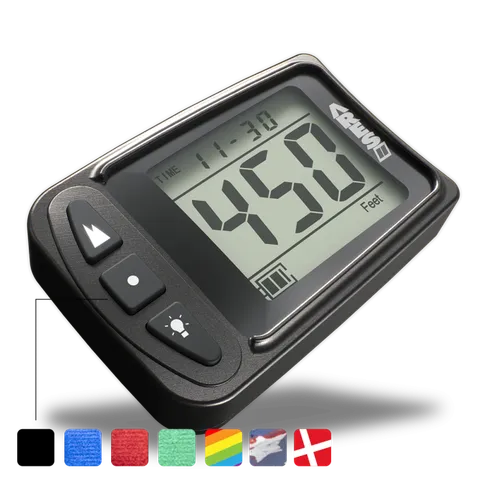
4. ARES II Digital Altimeter

Larsen & Brusgaard (L&B)

$440–$470

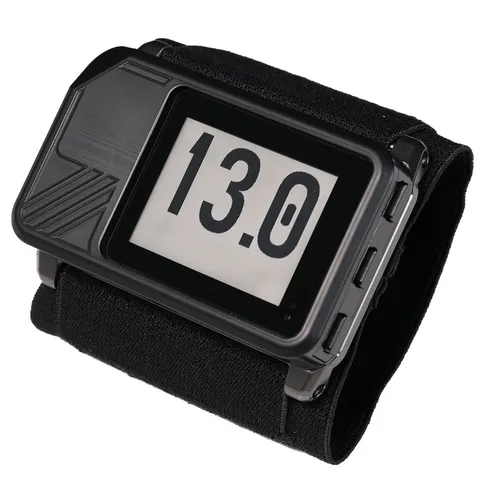
L&B's flagship visual digital: a rugged aircraft-grade aluminum body around a big high-contrast display, built to be always-on and always-ready for jumpers who want a premium primary altimeter.

Best for: Experienced jumpers who want a premium, bombproof visual altimeter

Machined aircraft-grade aluminum housing, very durable · Large, high-contrast display readable in any light · Always-ready operation with strong battery management · Backed by L&B's service network

Among the priciest pure visual altimeters · Larger and heavier than the compact Viso II+ · No audible or GPS features at this price

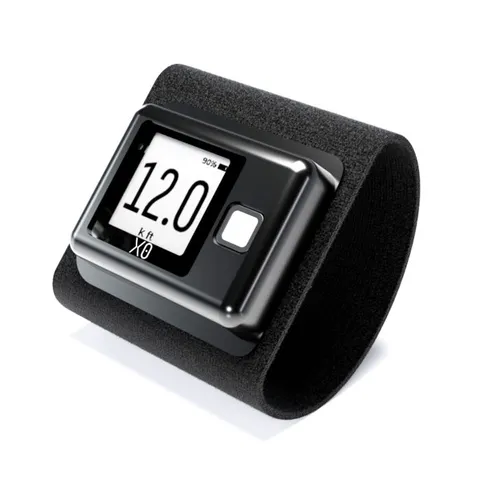
AON2 X0 Digital Altimeter
Best ValueBudget

5. AON2 X0 Digital Altimeter

AON2

$200–$215

A deliberately stripped-down digital that does one thing well, show your altitude clearly, for about the price of an analog, with an arm mount included.

Best for: Budget-minded jumpers who just want a clear, simple digital altitude readout

Cheapest way into a digital readout, arm mount included · One-button feet/meters switching · Small, light, and low-snag · Easier to read at low altitude than an analog needle

Altitude-only, no logbook, backlight, or waterproofing · Newer brand with a shorter track record than L&B/Alti-2

Insight Digital GPS Altimeter & Logger
Premium

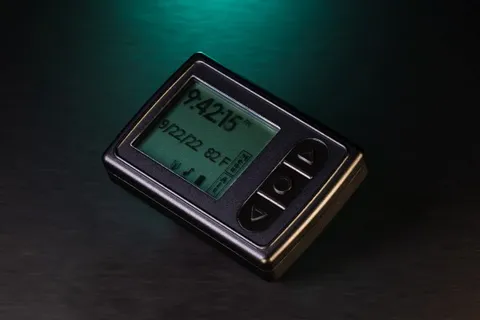
6. Insight Digital GPS Altimeter & Logger

Deep & Steep

$500–$590

The most complete device here: a big-display digital altimeter with onboard GPS and a full data logger, capturing ground speed, glide, and freefall/canopy tracks with battery life that's finally practical for a weekend of jumping.

Best for: Data-driven wingsuiters, canopy pilots, and gear enthusiasts who want full GPS logging

GPS-grade speed, glide, and track logging for post-jump analysis · Large, readable display doubling as a normal visual altimeter · Strong battery life for a GPS device, multiple jumps per charge · Rich data appeals to wingsuiters and canopy pilots

Most expensive option in the guide · More device than most jumpers actually need · Newer ecosystem versus the L&B/Alti-2 mainstays

Atlas II+ Visual Audible Altimeter
Premium

7. Atlas II+ Visual Audible Altimeter

Alti-2

$410–$440

Alti-2's menu-driven combo unit, a digital that works as both a wrist visual and an in-helmet audible, now with USB-C charging, a 200-jump logbook, and AFF training and manual modes.

Best for: Jumpers who want one rechargeable device that's both visual and audible

Doubles as a visual and an audible in one device · USB-C rechargeable; 200-jump logbook · AFF ground-training and manual modes · Rugged: survives 6-ft drops (1000+G) and is water-resistant

Premium pricing for the combined unit · Often sold as last-of-stock. Check current availability · Menu-driven interface has a learning curve

Optima II Audible Altimeter
Mid-range

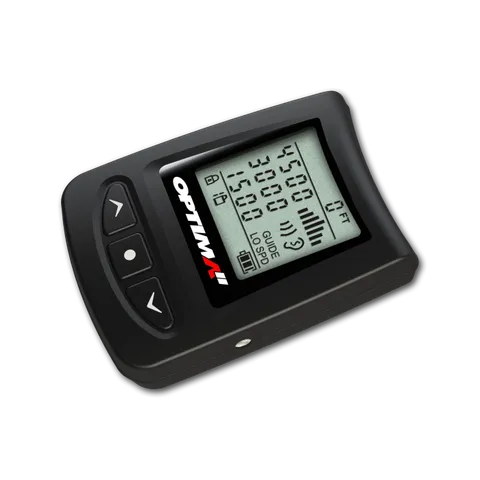
8. Optima II Audible Altimeter

Larsen & Brusgaard (L&B)

$300–$350

L&B's canopy-aware audible, adding programmable under-canopy alerts on top of freefall warnings, the long-time favorite of swoopers and canopy-piloting jumpers, available with an LED visual-warning port.

Best for: Canopy pilots and swoopers who want under-canopy audible alerts

Programmable canopy-flight alerts plus freefall warnings · Optional LED socket for a visual warning indicator · Trusted by canopy pilots and swoopers · L&B reliability and service support

Audible only, pair with a visual altimeter · Canopy features are overkill for pure freefall jumpers · LED-port version costs more

Solo II Audible Altimeter
Budget

9. Solo II Audible Altimeter

Larsen & Brusgaard (L&B)

$200–$215

The simplest, most affordable way into a quality audible: rock-solid freefall warning beeps from L&B with none of the logging or canopy extras you may never use.

Best for: Newly licensed jumpers wanting their first inexpensive freefall audible

Lowest-cost entry to a trusted-brand audible · Simple to set freefall warning altitudes · Compact and helmet-friendly · L&B accuracy and reliability

Freefall alerts only, no canopy alerts or jump logging · Audible must be paired with a visual altimeter

How we choose

We selected and ranked these altimeters by the job they actually do for a skydiver (accuracy and readability under canopy and in freefall, reliability and battery/service track record, ease of use for the license stage that buys them, and price-to-value), not by spec-sheet feature count. Rankings reflect overall recommendation, so a proven mid-priced visual altimeter can outrank a pricier flagship for the typical buyer. The tiers are defined by street price and intent: "budget" (roughly $200–$230) covers single-purpose analog dials, entry digitals, and basic audibles; "mid" (roughly $300–$370) covers full-featured digital visuals and programmable freefall/canopy audibles; "premium" (roughly $420–$590) covers ruggedized flagship digitals, combined visual-audible units, and GPS data loggers. Research drew on manufacturer specifications and current pricing from independent skydiving retailers (ChutingStar, SkydiveShop, Skydive Store, and the L&B and Alti-2 sites); we received no compensation, samples, or input from any manufacturer or retailer, and rankings are entirely our own editorial judgment. Affiliate links, where present, never influenced placement.

Common questions

As a student you primarily need a reliable visual altimeter you can read instantly, most first-jump courses still issue or recommend an analog dial like the Alti-2 Galaxy because the needle position is intuitive under stress. An audible is a valuable second device that beeps your break-off and pull altitudes, but it is a supplement, not a replacement: you should always physically check a visual altimeter. Many students add an audible once they're off student status and start doing solo or group freefall.

Both are accurate; the difference is how you read them. Analog needles give a fast, glanceable sense of position and never need charging or programming, which is why they remain popular for students and for jumpers who want a dead-simple backup. Digital displays are easier to read precisely at low altitude, are smaller and lighter with less snag risk, and often add logbooks and modes. For most people buying new today a digital visual like the L&B Viso II+ is the default, with an analog as an excellent low-cost or backup choice.

Audibles are extremely useful for break-off, pull, and (on freefly/canopy units) deployment and canopy alerts, but the universal safety guidance is that an audible supplements rather than replaces your visual altimeter. Sound can be missed in a noisy aircraft, a head-down exit, or with the wrong helmet fit, so disciplined jumpers keep checking a wrist or mudflap visual altimeter throughout the skydive.

This is specialty life-safety gear sold almost entirely through dropzone pro shops and dedicated skydiving retailers like ChutingStar, SkydiveShop, and Skydive Store, who offer fitting advice, firmware support, and warranty service. You'll occasionally see a unit on Amazon, but selection is thin and pricing erratic. Buying from a skydiving retailer also gets you the correct mounts and accessories and keeps you in the manufacturer's service pipeline for battery and firmware support.

All reputable skydiving altimeters are barometric and are zeroed to the dropzone ground level before each load, digital units typically auto-zero on the ground, and you confirm it before boarding. They read AGL (above the takeoff point), not true MSL, which is exactly what you want for skydiving. Accuracy is more than sufficient for the decision altitudes that matter; the practical differences between models are readability, durability, battery life, and features, not raw precision.

No, a GPS logger is a want, not a need. It adds true ground-speed, glide, freefall and canopy track logging, and rich post-jump data that's great for wingsuiters, canopy pilots, and anyone who likes analyzing their skydives. But it costs roughly twice a standard digital and isn't required for safe jumping. Buy a solid visual (and probably an audible) first; add GPS when you specifically want the data.

Some links are affiliate links, and we may earn a commission at no extra cost to you. It never affects our rankings.

In your pocket

Take every dropzone with you.

Free, no account needed. Dropzone maps, gear checklists, and your jump log in your pocket.

  • Every dropzone in your pocket

  • Round up your crew with group chat

  • Your jump log in one timeline

  • Prep checklists synced to your account

The Skydiving Hubs app dashboard

For operators

Run a skydiving business?
Get on the map for free.

Claim your free listing for a branded page and a spot in the Skydiving Hubs app, then add bookings and digital waivers whenever you’re ready. No setup cost.